Okay, I recently had a bit of a great awakening in my kitchen.
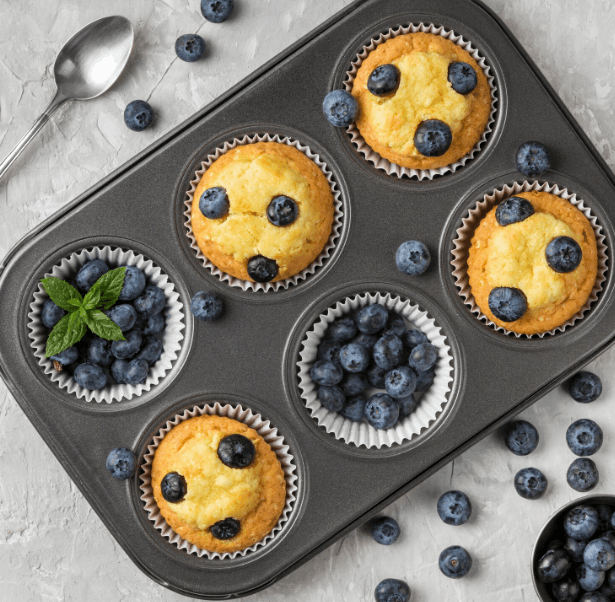
My muffin tray, roasting tray, cake tin… damn, so many of my bakeware is non-stick.
And yes – NON-STICK.
The same non-stick coatings I’ve been talking about when it comes to frying pans were sitting in my oven too. And I’ve been using some of these for the past five years. A few even have scratches.
That’s when it hit me ladies and gents:
Non-stick isn’t just about frying pans. It’s everywhere.
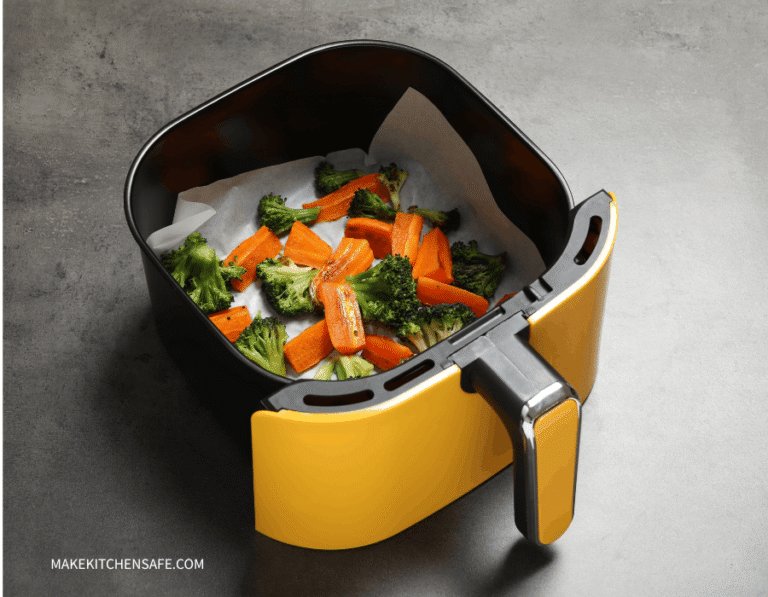
From baking trays and muffin pans to air fryers, sandwich presses and waffle makers, there are probably more non-stick surfaces in our kitchens than most of us realise.
I honestly hadn’t thought about it that way before.
So I started looking for alternatives to traditional non-stick bakeware. And that’s what led me to silicone.
But before I bought a whole new collection of silicone bakeware, I wanted to answer another question:
Is silicone bakeware safe?
More specifically, is it safe to cook in silicone bakeware? And how safe is silicone bakeware when we’re using it regularly for the food we feed our families?
So I went down the research rabbit hole again.
And what I found was more interesting than the simple “silicone is safe” or “silicone is toxic” answers you often see online.
Here’s what the science actually says.
What Is Silicone Bakeware Made Of?
Silicone is a synthetic material made by bonding silicon, a naturally occurring element found in sand and quartz with oxygen, carbon, and hydrogen. The result is a flexible, rubber-like material that’s heat-resistant, non-stick, and doesn’t shed microplastics the way conventional plastics can when they degrade.
This is why silicone became popular as an alternative to plastic. It’s not a plastic in the conventional sense. It behaves differently chemically and has a higher heat tolerance than most food-grade plastics.
But silicone is still a manufactured material. And how it’s manufactured matters enormously. More than most people realise when they pick up a silicone muffin tray.
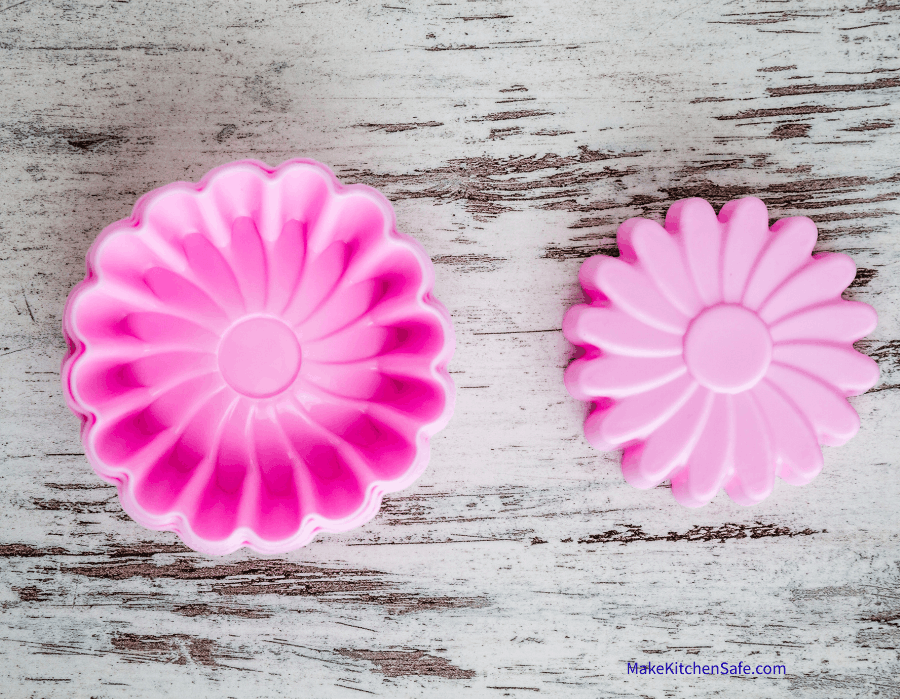
The Two Types of Silicone And Why It Matters
This is the most important thing to understand about silicone bakeware, and it’s almost never explained on product labels.
There are two fundamentally different ways silicone is cured, meaning bonded into its final form:
Platinum-cured silicone uses a platinum catalyst during manufacturing. It’s more expensive to produce, results in fewer chemical by-products, and is typically translucent, odorless and very flexible.
This is the type used in medical devices, high-end kitchen tools and professional bakeware. It’s widely considered the safest option.
Peroxide-cured silicone uses organic peroxides during manufacturing. It’s cheaper to produce but can leave chemical residues(breakdown products from the peroxide process) in the finished material.
It may also retain odors and shows higher migration in testing conditions.
Most budget silicone bakeware, the kind sold in discount stores, imported cheaply, or unbranded, is peroxide-cured. Most product listings don’t tell you which type you’re buying.
A simple physical test: Twist your silicone bakeware firmly. If white streaks appear, it contains fillers which means cheap filler materials are added to reduce cost and increase volume.
Filled silicone has shown higher chemical release in testing.
Pure, high-quality silicone stays its original colour when twisted.
What the Latest Research Actually Found
A peer-reviewed study from researchers at Environment and Climate Change Canada, published in the Journal of Hazardous Materials, added important new data to this conversation.
Researchers purchased 25 different silicone bakeware products widely available on the Canadian market- cupcake trays, doughnut moulds, loaf pans, cookie sheets. They filled each with a mixture of sand and oil, designed to mimic high-fat foods, and baked them at 177°C (350°F) for one hour, collecting samples from both the food-simulant mixture and the air above the oven.
Key findings:
- The study identified 25 different types of cyclic siloxanes released during baking, into both the food and the surrounding air
- Products with greater surface area contact with food like muffin and doughnut trays showed higher emissions than products like loaf pans
- Concentrations varied widely across products, from roughly 680 to 4,300 micrograms per gram of silicone, meaning product quality genuinely differs a great deal between brands
- Siloxane release dropped substantially with reuse approximately 95% lower after just three baking cycles, continuing to decline with each subsequent use
- Airborne siloxane levels also dropped quickly once baking stopped
Importantly, the researchers were explicit that they did not assess the health risks associated with these specific exposure levels, noting there is currently very limited scientific data on the health effects of siloxane exposure at these concentrations.
This study measured what’s released, not what harm it causes.
Separately, a 2024 review published in the Journal of Applied Toxicology found that certain siloxanes specifically D4, D5, and D6 have been associated in other research with endocrine disruption, reproductive toxicity, and liver toxicity.
This doesn’t mean the levels found in the bakeware study reach those thresholds, but it explains why researchers and regulators are paying attention to this chemical family at all.
The Fat Content Finding – What It Means Practically
This is one of the most practically useful findings from the research, and it gets almost no coverage elsewhere.
Siloxane leaching from silicone bakeware increases as the fat content of the food increases. The study’s own test mixture used oil specifically to simulate this.
In plain terms: a batch of buttery chocolate chip cookies, a fatty meatloaf, or an oil-heavy quiche will pull more chemicals out of a silicone mould than a low-fat sponge cake or a vegetable dish.
This matters because the highest-fat foods are also often the ones we bake most frequently in silicone moulds like muffins, brownies, cakes, quiches. If you’re regularly baking fatty foods in silicone, this is the most relevant research finding for your kitchen.
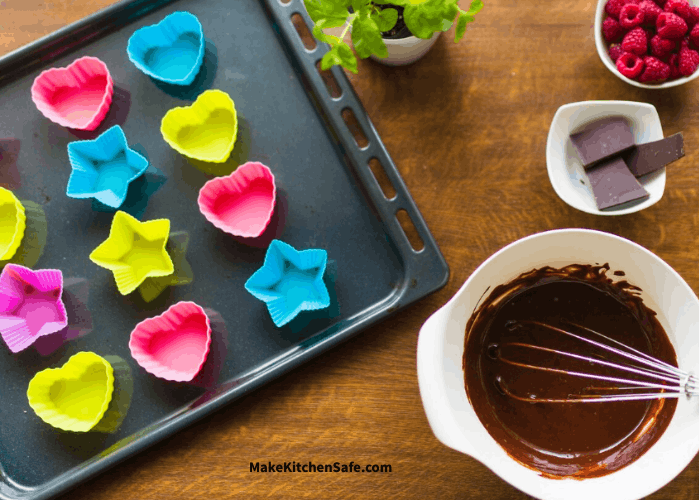
The Temperature Limit and Why It Matters
Most silicone bakeware is rated safe to approximately 220°C (428°F). Some brands claim higher tolerances.
Research from Switzerland’s Federal Office of Public Health found that migration from silicone baking moulds remained relatively low up to 100°C but increased once moulds reached 150°C and above, with some samples approaching the Council of Europe’s exposure limit at temperatures well within normal home baking range.
This doesn’t mean silicone bakeware is unsafe at normal baking temperatures. It means temperature control matters and exceeding the product’s rated maximum is where risk increases meaningfully.
Practical rules that follow from this:
- Never place silicone bakeware directly under a broiler
- Don’t use it on an open flame or stovetop burner
- Don’t exceed the manufacturer’s stated temperature limit
- Keep bakeware on the centre oven rack, away from direct proximity to heating elements
Is Silicone Safer Than the Alternatives?
Silicone vs non-stick coated metal bakeware: Silicone avoids the PFAS concerns associated with PTFE-coated baking trays and muffin tins.
From a forever-chemical perspective, high-quality silicone is the safer choice over standard non-stick coated bakeware.
Silicone vs stainless steel or glass: This is where my preference is clear.
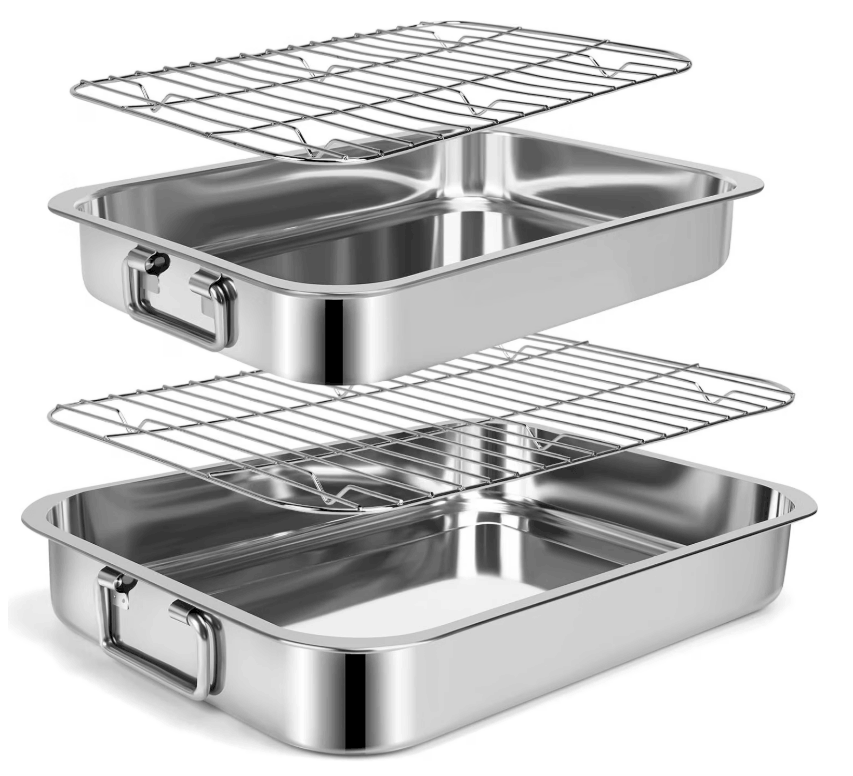
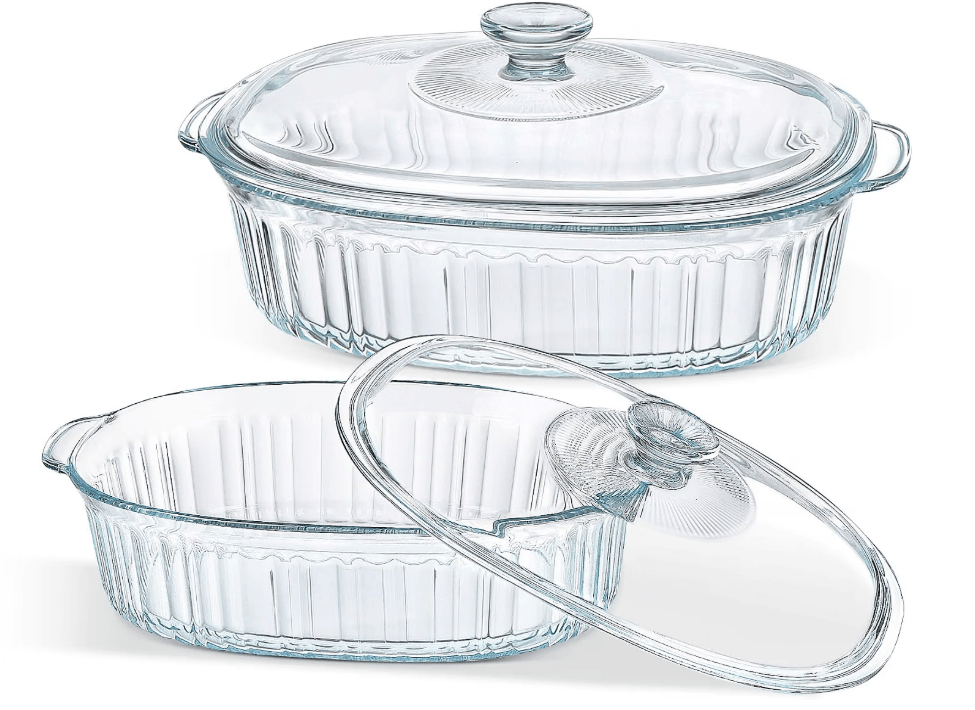
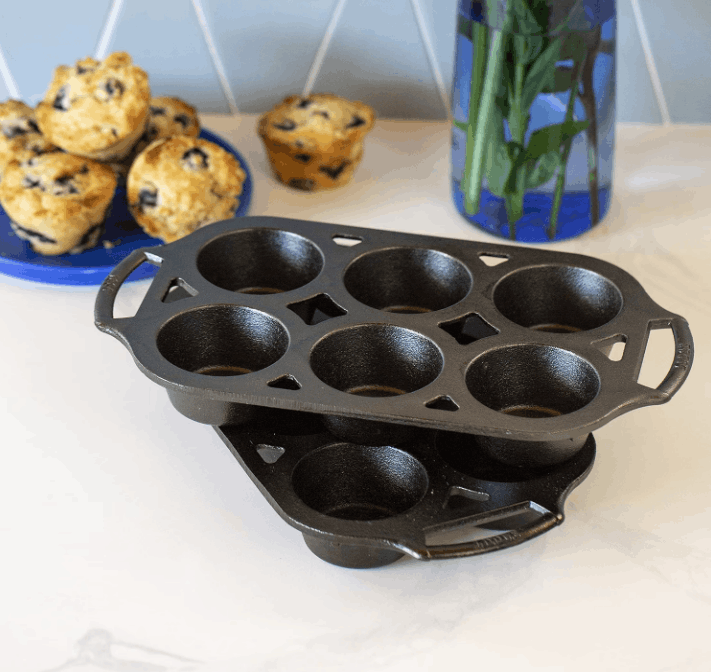
Glass, stainless steel and cast iron don’t need a synthetic non-stick coating, and that’s a big reason I prefer them.
I now use glass for most of my cakes and roasting, and I’m gradually moving towards stainless steel and cast iron for other baking jobs.
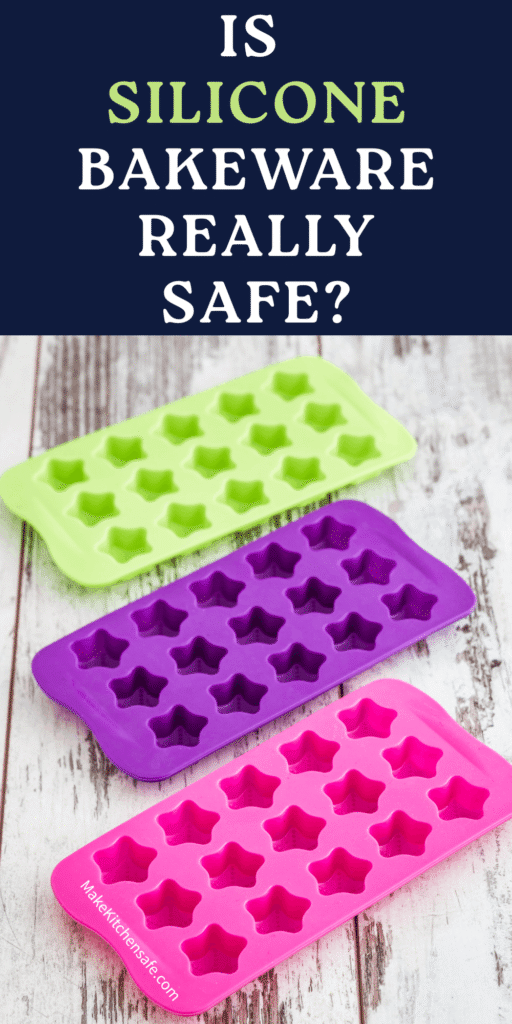
I’ll give silicone one thing, though it’s brilliant for fun, detailed shapes. Dinosaur birthday cakes, mermaid moulds, animal muffins and other intricate designs are much easier with silicone than with a glass dish or stainless steel pan.
So I’m not saying silicone has no place in a kitchen. It absolutely does.
For everyday baking and roasting, though, I’ll take glass, stainless steel or cast iron.
For me, they’re worth the little extra preparation because I know exactly what material is touching my food.
My Bakeware Recommendations
How to Identify High-Quality Silicone Bakeware
Given that most labels won’t tell you whether bakeware is platinum-cured or peroxide-cured, here’s how to assess quality before you buy:
Look for LFGB certification. The German LFGB food contact standard requires actual third-party migration testing, not just self-certification against a general standard.
Check for the filler test. Twist the silicone firmly. White streaks mean fillers are present which is a sign of lower quality and higher potential migration.
Smell it. High-quality, platinum-cured silicone is essentially odourless. A strong rubbery or chemical smell from new silicone bakeware is a signal of lower-grade manufacturing.
Pre-bake before first use. Many sources recommend baking new silicone bakeware empty at 180°C for approximately 2 hours before first food use, ideally with a window open or extractor fan running. This allows initial off-gassing to occur without food present, and research confirms migration drops significantly after the first few uses.
Be sceptical of very low prices. Platinum-cured, LFGB-certified silicone costs more to produce than peroxide-cured silicone with fillers.
Very cheap silicone bakeware particularly unbranded imported products is unlikely to be the higher-grade option.
So, is silicone bakeware safe?
After going down this rabbit hole, I don’t think the answer is simply “yes” or “no.”
Research shows that silicone bakeware can release and migrate siloxanes and other compounds under certain heat and food-contact conditions. How the silicone is made and processed can also affect how much is released. But the research we have doesn’t prove that normal use of silicone bakeware causes harm.
So I’m not going to tell you that your silicone muffin tray is going to make you sick.
But here’s my personal decision.
I stopped using silicone bakeware before I knew any of this science. I remember using my silicone muffin tray and thinking, “This feels like plastic.” It felt too processed to me for something going into a hot oven and cooking my family’s food.
Ironically, I went straight back to my scratched non-stick muffin tray which eventually led me down this rabbit hole.
Now that I’ve looked at the research, silicone isn’t going back into my oven.
Not because I believe all silicone bakeware is dangerous, but because I have alternatives I’m more comfortable with. I now use glass for most of my cakes and roasting, and slowly moving towards stainless steel and cast iron for other baking.
You don’t need to panic and throw out every silicone item in your kitchen. But you also don’t have to use something simply because it says “food grade.”
Know what touches your food. Understand the research. Then decide what you’re comfortable putting in your own kitchen.
That’s exactly what I’m doing with mine.
Want to know what materials are genuinely free of any coating concerns? Read this next: What is the safest cookware for your health? Honest answer
I love that there is an easy test to figure out if it has fillers. So helpful!
So glad I came across this article. I’ve been pondering whether or not to purchase silicone baking pans, and after reading this, the answer is a hard no. Thanks for sharing. I’ll be checking out your recommendations for pans.
This was so informative. Did not know there were 2 different kinds of silicone bakeware. I need to check into this.
Thank you for this information! I only use cast iron, stainless steel & glassware when cooking & Baking. Its nice to know there are other options for silicon bakeware.