I’ll say it: a wooden cutting board is one of the few things in my kitchen that gets nicer the more I use it. It’s also one of the few things that people are quietly nervous about washing, because every second website seems to say something different. Soak it, never soak it, bleach it, never bleach it, bin it if it looks at you funny.
So here’s how to clean a wooden cutting board in a way that’s actually backed by food safety guidance, without turning it into a weekend project.
If you’re wondering whether wood is safe in the first place, I’ve covered that here: Are Wooden Cutting Boards Safe?. Short version: yes, with good habits.
How to Clean a Wooden Cutting Board Every Day
For everyday jobs like chopping veg, bread or cheese, this is the whole routine, and the USDA’s Meat and Poultry Hotline and university extension services all agree on it:
Wash it in hot, soapy water after each use. Rinse it with clean water. Then dry it, either with a clean towel or by standing it on its edge so air gets to both sides.
The standing-it-up part matters more than you’d think. A wooden board that’s left flat and damp can warp, and a cracked, warped board is harder to clean and eventually needs replacing.
Don’t let it sit in the sink, and don’t soak it. A quick wash and a proper dry beats a long bath.
How to Clean a Wooden Cutting Board After Chicken or Raw Meat
This is probably the question most people want answered. I’ve been cooking for years, and when you’ve just finished cutting chicken for dinner, you want to clean the board properly without turning it into a whole production.
Start by scraping off any food scraps. Wash the board thoroughly with hot, soapy water, paying attention to the surface, edges and both sides. Rinse it well, then stand it upright or on its edge to dry completely.
The important thing is not to skip the washing step. Sanitising products work best on a surface that’s already been cleaned.
The USDA also provides guidance on sanitising cutting boards, including using a properly diluted chlorine bleach solution after washing. If you choose to use bleach, follow the product’s instructions for food-contact surfaces, including dilution, contact time and whether rinsing is required. Don’t assume every household bleach product is suitable.
Personally, I’d focus first on washing the board thoroughly after every use, drying it properly and replacing it if it develops deep cracks or grooves that are difficult to clean.
One other practical tip: if you have the space, use a separate cutting board for raw meat and poultry and another for foods such as vegetables, bread and fruit. It helps reduce the risk of cross-contamination.
How to Deep Clean a Wooden Cutting Board ?
Boards that smell like last week’s garlic, or have a stubborn beetroot stain, don’t need anything dramatic.
For stains and smells, the usual household tricks are a handful of coarse salt scrubbed in with half a lemon, or a paste of baking soda and a little water. This is the how to clean a wooden cutting board with lemon method you’ve probably seen everywhere, and it does work well for lifting stains and freshening up odours. I’d treat it as a cosmetic fix, though.
I couldn’t find research showing that lemon, salt or vinegar sanitizes a board, so if raw meat has been on it, use the soap-then-bleach routine above.
Rinse well afterwards and dry it standing up.
Can You Put a Wooden Cutting Board in the Dishwasher?
This one has two honest answers, which is probably why the internet argues about it.
The USDA Hotline says solid wood boards can go in the dishwasher, although laminated boards may crack and split. On the other hand, many food safety educators and cutting board manufacturers advise against it because the heat and prolonged exposure to water can cause some wooden boards to warp, crack or split.
I haven’t found independent testing that settles the debate, so here’s my practical take. Even if a solid wooden board survives one dishwasher cycle, repeated exposure to heat and moisture may shorten its lifespan. And a split board is a board you’ll eventually have to replace.
Honestly, I’ve never put my wooden cutting boards in the dishwasher. I always hand-wash them. It takes about the same time as loading the dishwasher, so that’s what I’d recommend for an ordinary wooden board.
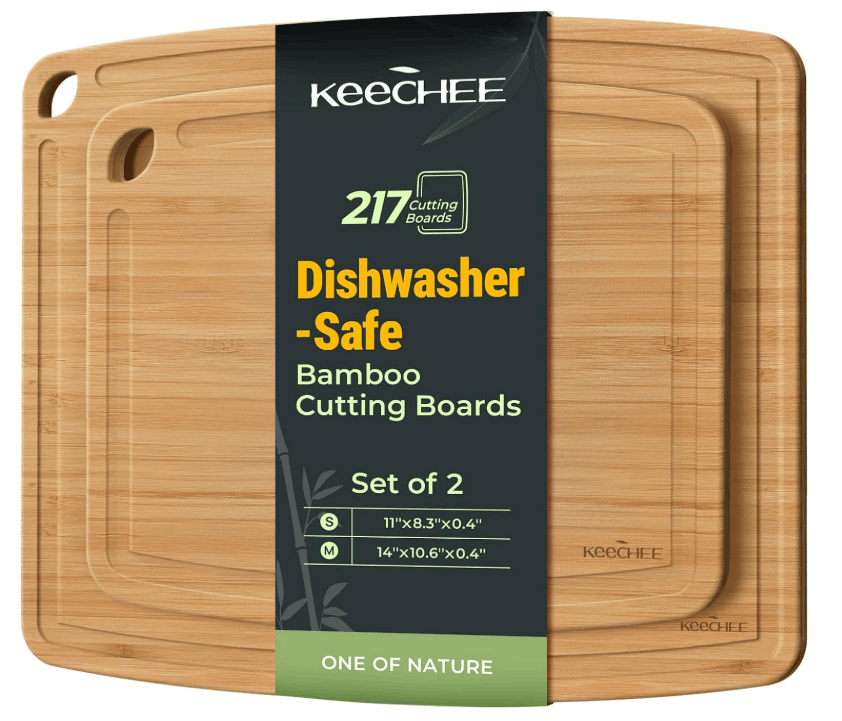
If you have a wood-fibre board specifically designed to be dishwasher safe, follow the manufacturer’s instructions.
What about you? Have you ever put your wooden cutting board in the dishwasher? I’d love to hear about your experience in the comments below.
How to Oil a Wooden Cutting Board
Wood dries out, and a dry board is more likely to crack. University of Wisconsin Extension suggests rubbing the board with mineral oil to help it retain moisture. Do it when the board is completely dry and starts looking a bit pale or thirsty. How often you’ll need to oil it depends on how much you use and wash it.
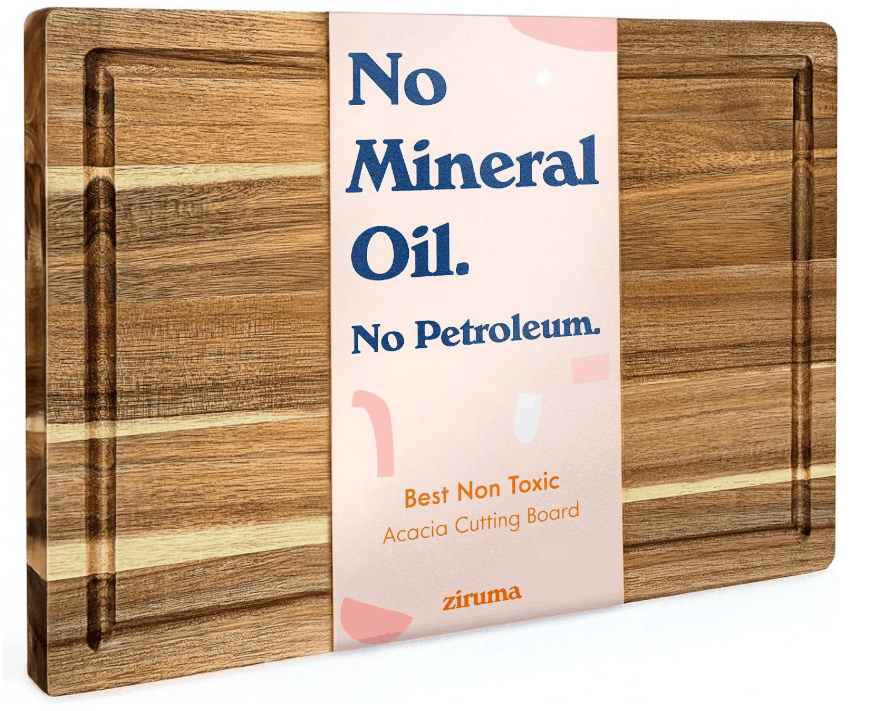
I didn’t find a government source comparing different oils, so I’ll stick with what the extension recommends and suggest looking for food-grade mineral oil specifically made for cutting boards.
This was actually new to me as well! But when you think about it, it makes sense. We oil wooden furniture to help care for the wood, so why wouldn’t we give our wooden cutting boards a little attention too?
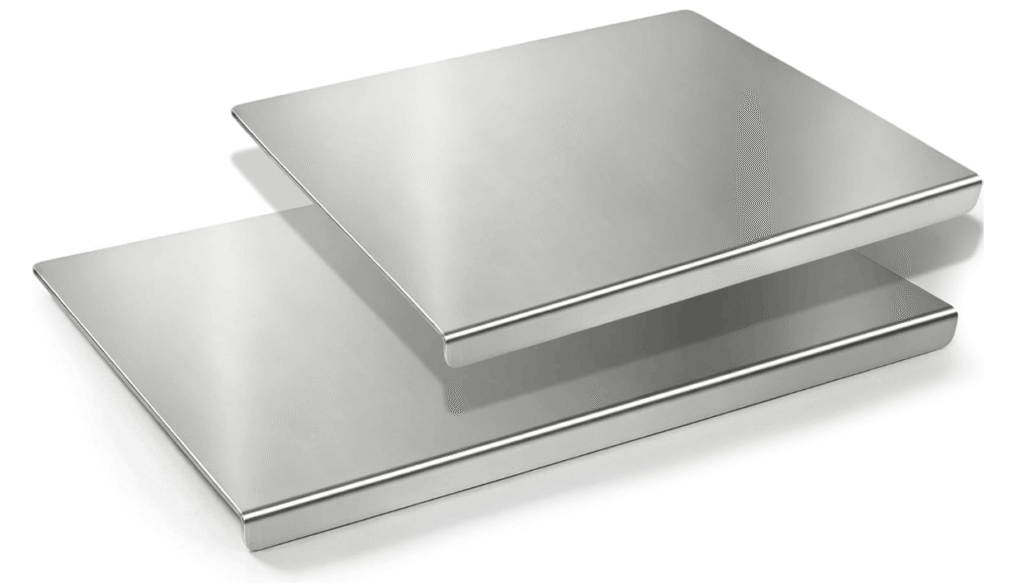
My Recommendation
When to Stop Cleaning and Replace It
Boards wear out, and no amount of scrubbing fixes that. For a wooden board, look out for deep cracks, splits, or persistent smells that remain even after a thorough wash and sanitizing.
Personally, I don’t mind replacing my cutting boards when they’ve had a good run. I’d rather invest in a new one than keep using a board that’s become difficult to clean properly. There’s no set expiry date, though. A well-maintained wooden board can last for years.
The Bottom Line
That’s how to clean a wooden cutting board: hot soapy water after every use, a proper dry standing on its edge, a bleach-solution rinse after raw meat or poultry, and hand washing over the dishwasher. A bit of mineral oil every month or so keeps it happy.
It really is that straightforward. The wood is on your side, as long as you don’t leave it sitting wet.
More on keeping your kitchen safe: Are Wooden Cutting Boards Safe?
Sources
Tier 1 (government and university extension guidance)
- USDA Meat and Poultry Hotline, cutting board guidance (hot soapy water after each use; 1 tablespoon unscented liquid chlorine bleach per gallon of water; solid wood and the dishwasher; discard worn or grooved boards; separate boards for raw meat): https://www.fsis.usda.gov/es/node/3305
- University of Wisconsin Extension, “How Safe is Your Cutting Board?” (cleaning routine, mineral oil): https://winnebago.extension.wisc.edu/2020/06/08/how-safe-is-your-cutting-board
Thank you for keeping this information. With so much different advice online, it’s nice to have a clear routine. The tip about standing the board on its edge to dry was especially helpful. Such a small step that’s easy to overlook.
This was very helpful! I will only use wood cutting boards in my kitchen and often wonder if I’m doing the right thing to keep them clean. After reading your article, I think I’m doing just fine. Thanks so much for sharing!!
What an interesting read! Thank you for sharing. I learned quite a bit, especially about avoiding the dishwasher and using separate cutting boards for raw meat and vegetables. Thanks for all the practical tips and advice.
I love wooden cutting boards and this was so helpful. Hate having to use my plastic ones lol