If you are looking an answer to – “is enameled cast iron safe for my kitchen” then I might just be able to help you here.
I’ve wanted one of those beautiful coloured Dutch ovens for years.
You know the ones I’m talking about—the gorgeous, glossy enameled cast iron ones that somehow make a kitchen look instantly more put together?
Well, about two years ago, I finally bought one.
Mine is a Baccarat enameled cast iron Dutch oven, and I absolutely love it.
It sits on my kitchen island looking beautiful, and I’m not even going to pretend I don’t get a little bit proud when guests are over.
You know what I mean, ladies. It’s one of those kitchen purchases you secretly want people to notice. “Oh, that? My Dutch oven…”
My second one is from Aldi. Less glamorous to admit, equally loved, gets used just as often.
But recently, I started wondering something I probably should have asked before I bought either of them: is enameled cast iron actually safe?
I already knew I loved using mine. Cooked beautifully, held heat well, looked gorgeous on the bench.
But what exactly is that colourful enamel coating? Is it non-toxic? Can it contain lead or cadmium? What happens when it chips? So I decided to look past the pretty colours and actually find out.
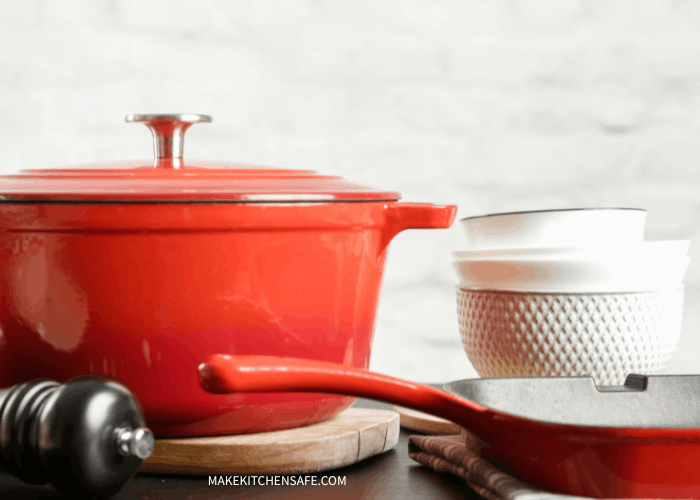
What Enameled Cast Iron Actually Is?
Enameled cast iron is exactly what it sounds like: cast iron covered with a glass-like enamel coating.
The cast iron provides the excellent heat retention and durability. The enamel creates a smooth, non-porous surface that doesn’t need seasoning and is much easier to clean than bare cast iron.
The enamel is made by a layer of powdered glass, fused to the iron’s surface at extremely high heat until it melts and bonds permanently.
That’s what “vitreous enamel” means – it’s glass, not plastic, not a synthetic polymer.
So if you’re asking, “is enameled cast iron non toxic?”, the important thing to understand is that the cooking surface is not a plastic or fluoropolymer non-stick coating.
It isn’t PTFE or PFAS coating, the non-stick chemistry used in conventional non-stick pans.
That is one of the reasons I like enameled cast iron as a cookware option.
So why would you choose Enameled Cast iron?
When I bought my enamel cast iron, I was simply drawn by the beauty and magnificent of the cookware itself . I wanted one for my collection without fully understanding what it was actually for.
Turns out there’s real substance behind the good looks.
1. You don’t have to season it
Bare cast iron needs seasoning to protect the iron and get the non-sticking cooking surface. I agree so many castiron cookware comes pre-seasoned but it does need seasoning every now and then or when required.
With enamel cast iron cookware, no seasoning is required. You can start cooking straight away.
2. Acidic foods -No concern
A well-seasoned cast-iron pan can certainly handle some acidic cooking, but prolonged cooking can affect the seasoning and, in some cases, the flavor of the food.
But this is not the case with enamel cast-iron. I think this is is biggest plus point.
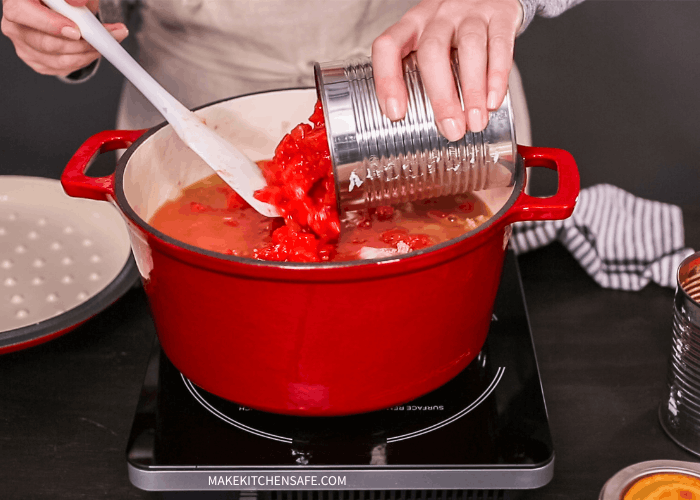
You can cook tomato-based sauces, slow-cooked stews and wine-based braises without any concerns.
3. It looks good enough to serve from
Let’s not pretend this doesn’t matter.
One of the reasons people love enameled cast iron is that it can go from the oven or stovetop straight to the table.
And yes, those colours are part of the appeal.
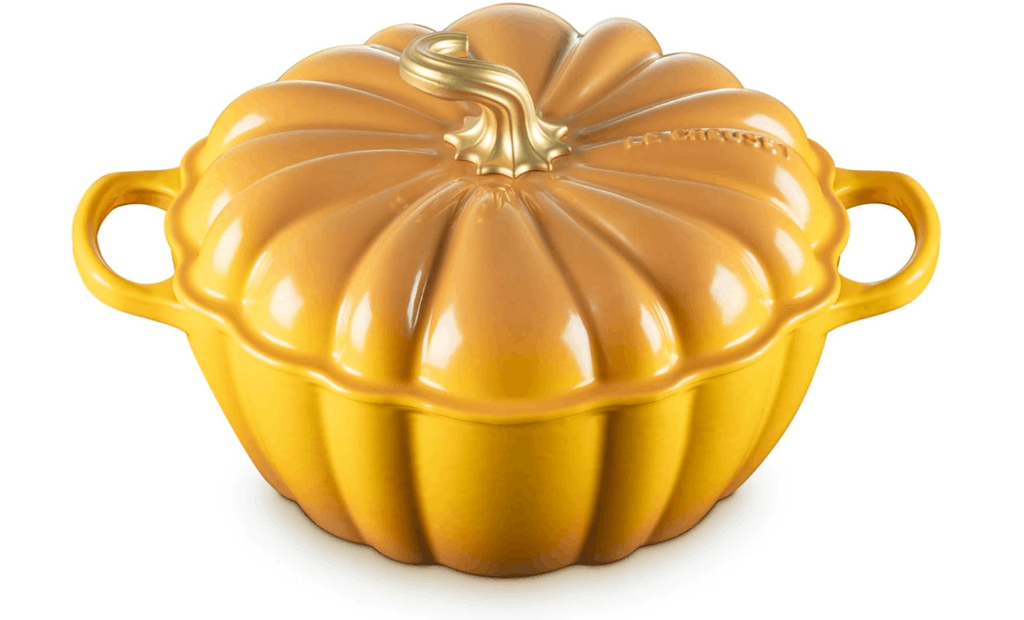
Many of us are drawn to it because of its beauty- those beautiful , colourful Dutch oven are simply irresistible. I’m guilty of it.
So, Is Enamel Cast Iron Safe?
Generally, yes, when it’s properly manufactured and the enamel surface is intact. But “generally yes” is worth actually unpacking, because there’s a real, honest complication underneath it.
Enamel is made from glass-forming materials plus whatever gives it colour and finish, and historically, some ceramic and enamel pigments used metals like lead or cadmium to achieve certain colours.
Finding a substance in a material isn’t automatically the same as harmful amounts getting into your food. That’s exactly why food-contact testing exists in the first place, and why regulatory frameworks around the world set limits on how much is allowed to leach out of a glazed surface, not just what’s present in it.
Which brings us to the actually useful question: can you tell whether a specific piece meets those limits?
1. Start with the manufacturer’s information
Check what manufacturer’s website says about the enamel, food-contact use, care instructions and safety testing.
For example :
STAUB says its enamel is free from lead and cadmium and describes its third-party testing.
Le Creuset publishes chemical disclosures and information about its laboratory testing.
Lodge goes even further in its California disclosure, listing materials associated with its enameled cast iron, including different disclosures for red and orange products.
These are some of the brands we recommend looking at when you’re shopping for enameled cast iron because they provide useful information about their cookware.
So, What About My Own Two Pots?
Honestly? I checked both properly before writing this.
My Baccarat has some published information I could find. My Aldi one doesn’t and that’s a genuine gap, not something I’m going to paper over.
What I did check on both: the surface is smooth and intact on each, neither is old or inherited, and both came from retailers I trust to stand behind what they sell.
That’s not a guarantee. It’s an honest accounting of what I could actually verify, and what I couldn’t. I feel comfortable continuing to use both, and I’d rather give you that real answer than a tidier one that doesn’t hold up.
2. Look for specific safety information
If you’re concerned about lead or cadmium, see whether the manufacturer provides information about testing or compliance.
If that information isn’t available, you can contact the manufacturer and ask.
And remember: a lack of detailed information doesn’t automatically mean the cookware is unsafe. It simply means there’s less information available to you.
3. Check that the cooking surface is intact
Check the surface is smooth and intact before you buy, and keep checking over time. No chips, no cracks, no rough patches, especially anywhere food actually touches.
This matters exactly as much on a $60 pot as a $350 one.
MKS’s Recommendation:
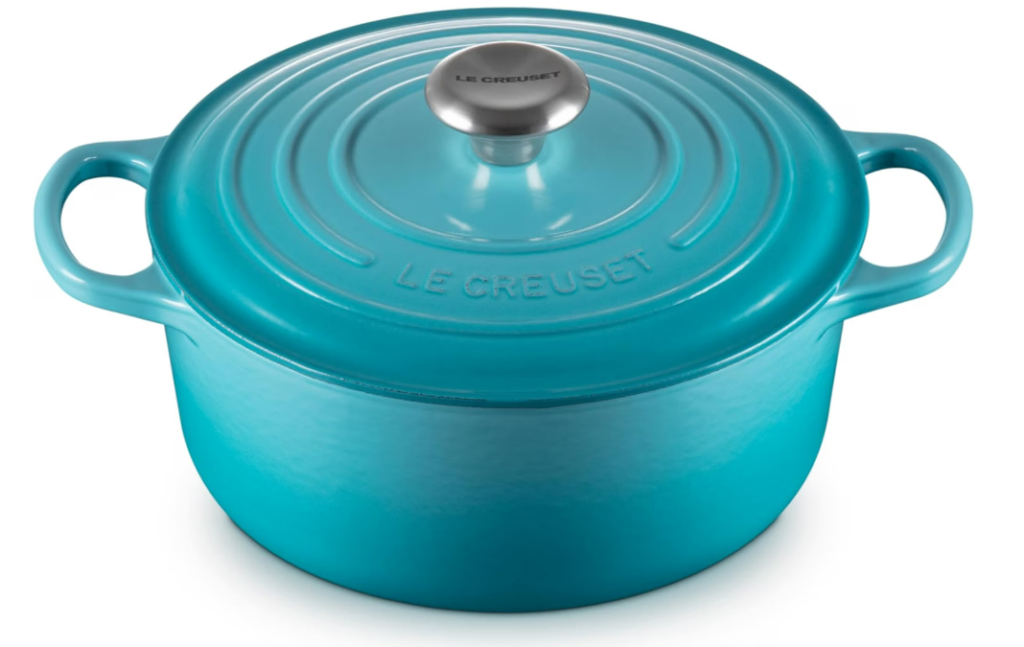
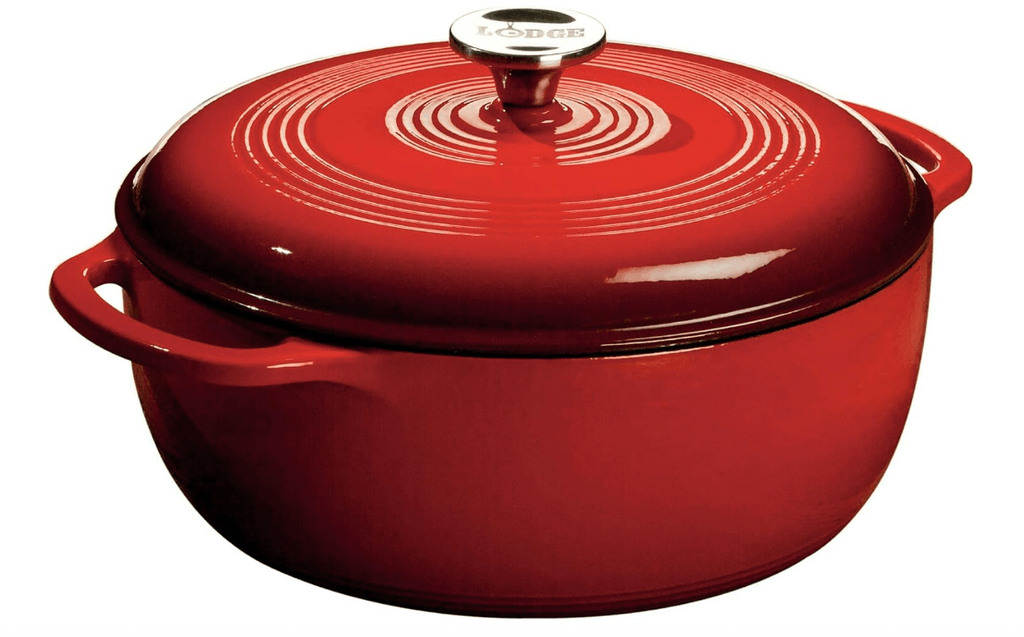
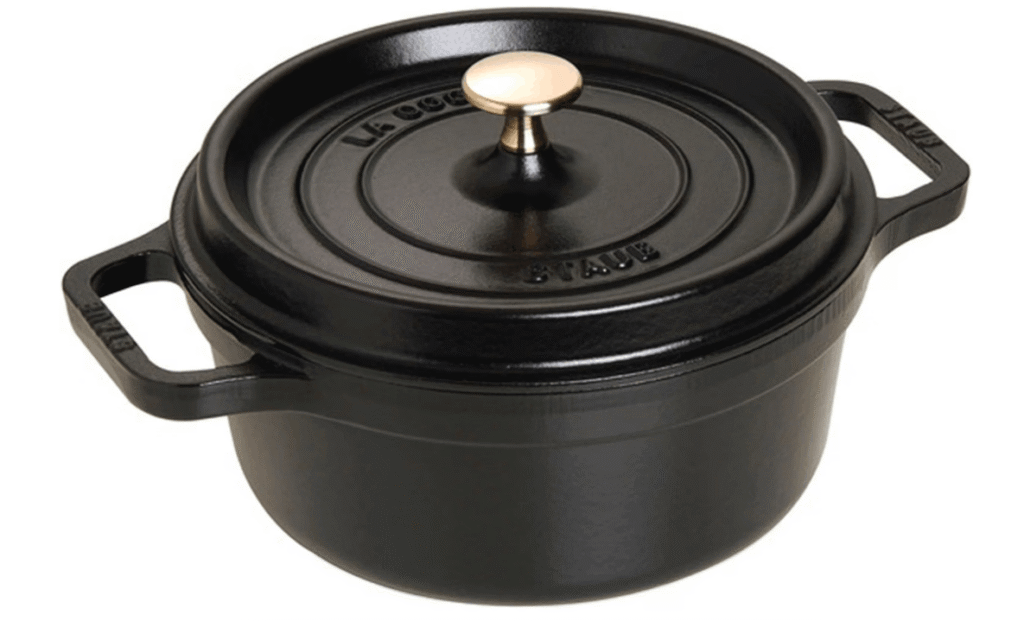
Finally, Is Enameled Cast Iron Safe for your kitchen?
Yes, enameled cast iron can be a safe and practical choice for everyday cooking when the enamel is intact and the cookware is made for food use.
You get the heat retention of cast iron without seasoning, and the enamel gives you a smooth cooking surface that works particularly well for acidic foods.
Where it gets more complicated is verification, and the honest truth is that verification gets harder the more budget-friendly your pick is.
Some brands make it easy to check. Most don’t.
What you can always do, regardless of price tag, is buy from somewhere accountable, check the surface before and after buying, and steer clear of anything old or unbranded.
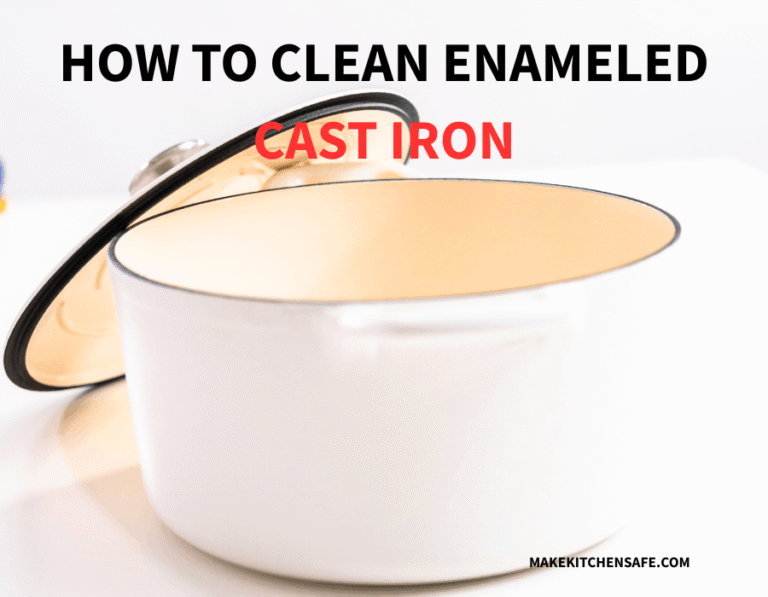
And if you have already bought one or looking to buy then check our post on how to clean and store your enamel cookware for longer life.
That won’t answer every question but it’s the real, honest version of what’s actually in your control.
More on How to Your Make Kitchen Safe:
What Is the Safest Cookware for Your Health? Honest Answer
How to Tell If Your Pans Have PFAS? 5 Signs to Check Right Now

I love cooking with enameled cast iron, especially for soups and sauces, but I’ve always wondered what to do if the enamel chips. The care tips here are really helpful. I’ll be a little more mindful about sudden temperature changes now!
Thank you for this information. It was really informative, especially as I’m looking for all new pots and pans.