I have a confession.
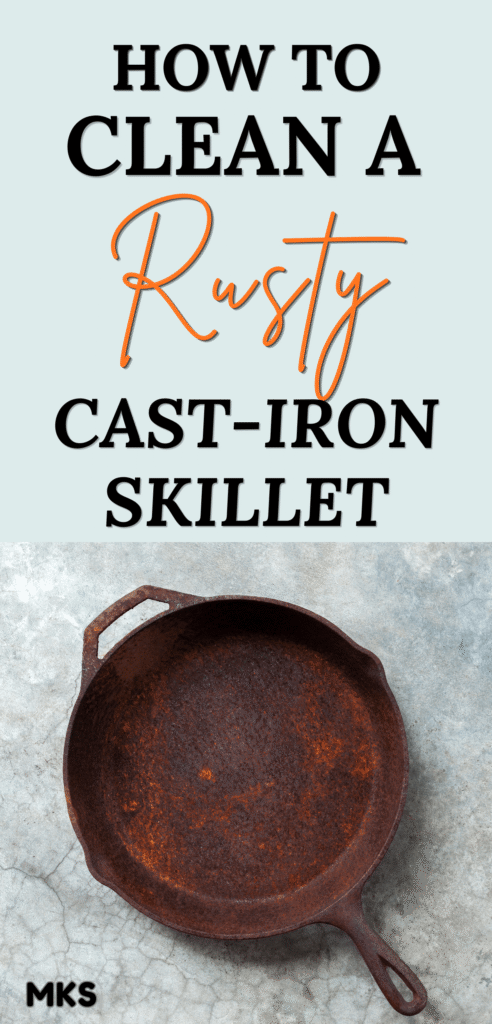
I once threw away a rusty cast iron skillet.
Yep. Straight into the bin because I had no idea how to clean a rusty cast iron skillet
At the time, I was becoming much more conscious about what was touching our food and what I was cooking with. So when I saw rust on my cast iron, my brain immediately went:
Rust = unsafe. Pan = ruined.
Out it went.
Looking back, I wish I had known what I know now.
Because a rusty cast iron pan can usually be cleaned, restored, re-seasoned and used again.
In fact, the rust itself is often completely removable. Once the rust is properly cleaned away and the pan is restored, you can get it back to cooking again.
Thankfully, the skillet I threw away wasn’t particularly expensive, so that was the only good thing about my little healthy-and-safety-conscious panic clean-out.
So, if you’re standing in your kitchen right now looking at a rusty cast iron pan and wondering whether it belongs in the bin, stop right there.
Let me show you sister or brother how to clean rusty cast iron skillet and bring it back to life.
Disclaimer: This post is based on personal experience and research. Some links may be affiliate links, meaning I may earn a small commission at no extra cost to you.
As an Amazon Associate, we earn from qualifying purchases.
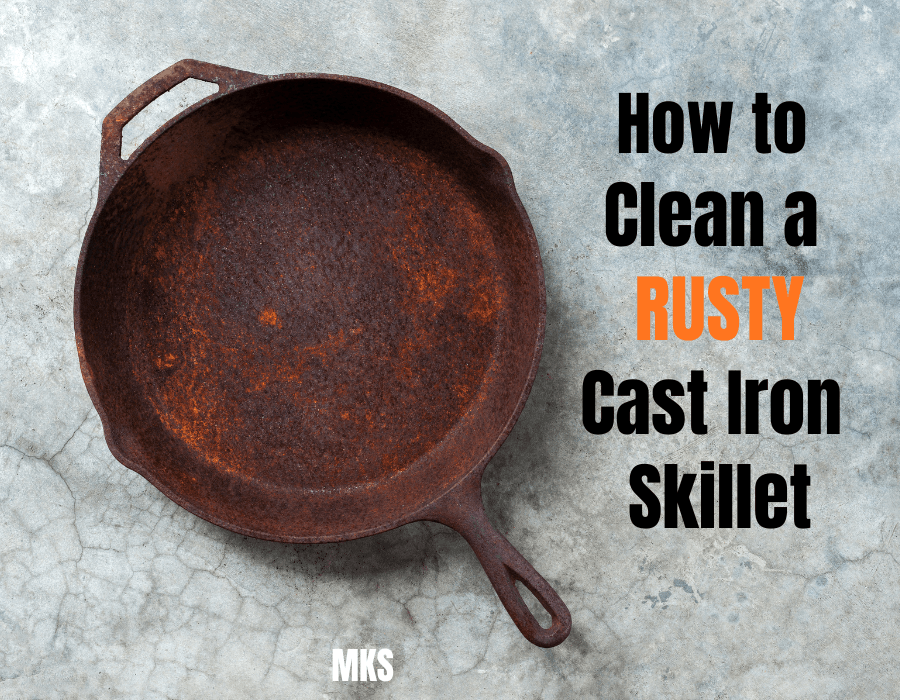
First, Is a Rusty Cast Iron Skillet Ruined?
Usually, no.
Cast iron rusts when moisture reaches the bare iron underneath its protective seasoning layer. This can happen if the pan is left wet, soaked in water, stored somewhere damp or the seasoning has worn away.
The good news is that surface rust can usually be scrubbed away. Manufacturers such as Lodge specifically recommend restoring rusty cast iron rather than throwing it away.
So before you give your skillet the same fate I gave mine, let’s see what you’re dealing with.
How Bad Is the Rust?
You don’t need to overthink this.
A few orange spots or light surface rust
This is the easy one.
You can usually remove rust from cast iron by scrubbing the affected areas, washing away the residue, drying the pan completely and restoring the seasoning.
Rust covering a large part of the pan
Still fixable in many cases.
It will just require more scrubbing and probably a full re-seasoning afterwards.
The key thing is that you’re not trying to preserve the existing seasoning at this point. You’re dealing with a rusty pan, so the priority is to remove the rust and rebuild that protective layer afterwards.
How to Clean a Rusty Cast Iron Skillet
For most rusty cast iron skillets, this is the method I would start with.
What You’ll Need
- Steel wool or a cast iron rust eraser
- Warm water
- A little dish soap
- A clean cloth or paper towel
- Cooking oil
- An oven or gas
That’s it. No fancy cleaning products required.
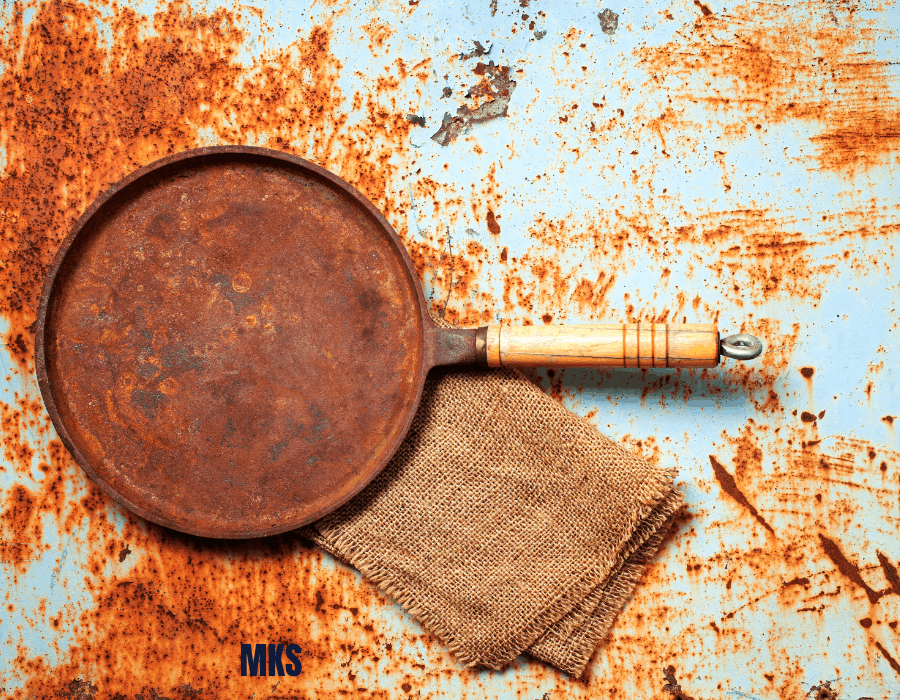
Step 1: Scrub Away the Rust
Start by scrubbing the rusty areas with steel wool.
If your whole pan is rusty, you may need to work over the entire surface.
Keep going until the orange or reddish rust has been removed and you can see the bare grey cast iron underneath.
Don’t panic when your pan starts looking dull, grey or completely different from the nice black pan you remember.
That’s expected.
You’re removing rust and, in many cases, some of the old seasoning too. We’ll fix that shortly.
Lodge recommends steel wool or its Rust Eraser for removing rust from cast iron.
Step 2: Wash Away the Rust
Once you’ve scrubbed the rust off, wash the pan with warm water and a little dish soap to remove the rust residue.
Yes, I know. Soap and cast iron can still feel like a controversial combination.
But this isn’t your everyday cast iron cleaning routine.
You’re restoring a rusty cast iron pan, and you’re about to re-season it anyway.
Step 3: Dry It Immediately and Completely
This part matters.
Dry the pan thoroughly with a clean cloth or paper towel.
Then place it over low heat for a few minutes to make sure every bit of moisture has evaporated.
You don’t want to spend all that time removing rust only for fresh rust to start appearing again because the pan was left damp.
Lodge also recommends thoroughly drying restored cast iron and using gentle heat on the stovetop if needed.
Step 4: Re-Season Your Cast Iron
Now that you’ve successfully cleaned the rust off, your pan needs its protective layer back.
Rub a very thin layer of cooking oil over the entire pan, including the cooking surface, outside and handle.
And when I say thin, I mean thin.
If the pan looks wet or greasy, wipe away the excess. Too much oil can leave your seasoning sticky or gummy.
Place the pan upside down in an oven heated to 450–500°F (230–260°C) and bake for one hour. Let it cool in the oven afterwards.
For a pan with significant rust, you may want to repeat the seasoning process until the surface has built up a good protective layer again.
For the full step-by-step process, you can read my guide on How to Season a Cast Iron Pan and how to cook safely using cast-iron pan?
What About Really Stubborn Rust?
If you’ve got an old, neglected rusty cast iron skillet and the rust isn’t coming off easily, don’t immediately assume it’s beyond saving.
Start with the steel wool method first.
For stubborn rust, some guides recommend a short vinegar treatment, but vinegar is acidic and should be used carefully because leaving it on cast iron for too long can affect the metal as well as the rust. Rinse thoroughly and dry and re-season the pan immediately afterwards.
Honestly, unless you’re restoring a seriously neglected pan, I wouldn’t complicate things. Steel wool, washing, drying and re-seasoning will handle many rusty cast iron pans.
Can You Use a Rusty Cast Iron Pan Again?
Yes—after the rust has been properly removed and the pan has been cleaned and re-seasoned.
And this was the part I didn’t know when I threw my own skillet away.
I assumed that once rust appeared, that was it.
But cast iron is different from many other types of cookware. You can strip it back, remove the problem and rebuild the seasoning. That’s actually one of the reasons cast iron can last for generations.
When Should You Actually Replace a Cast Iron Pan?
Rust alone isn’t usually a reason to throw it away.
However, I would take a closer look if the pan has:
- Deep cracks
- Large pieces breaking away
- Serious structural damage
- Extremely deep pitting that affects the integrity or usability of the cookware
Then it’s time to look for a new one and here are my recommendations.
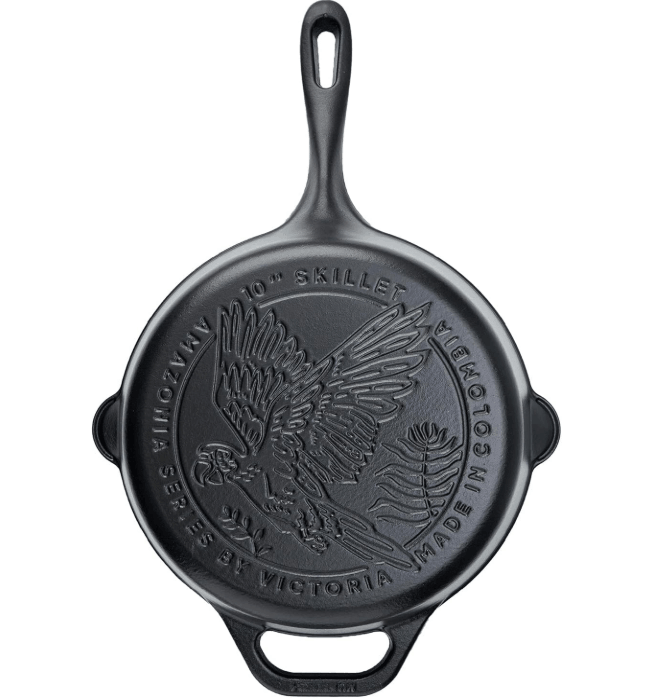
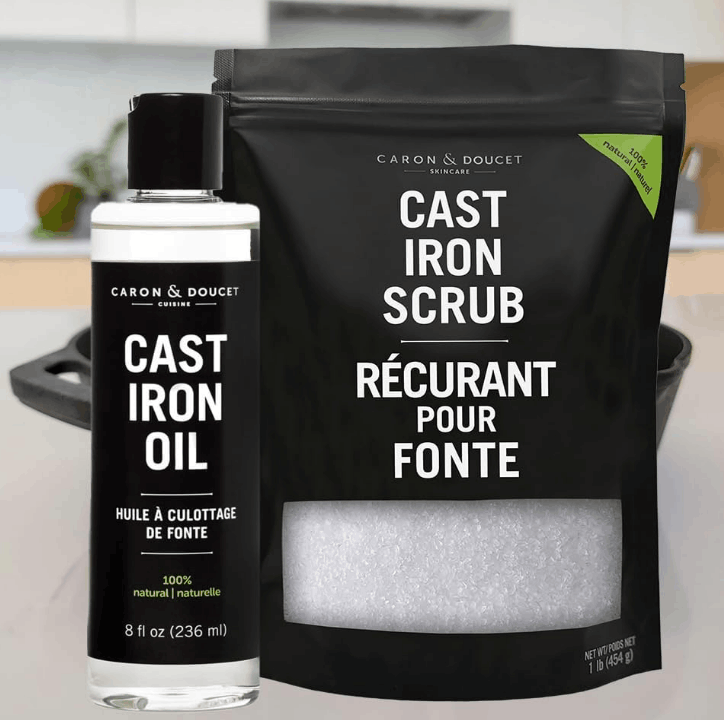
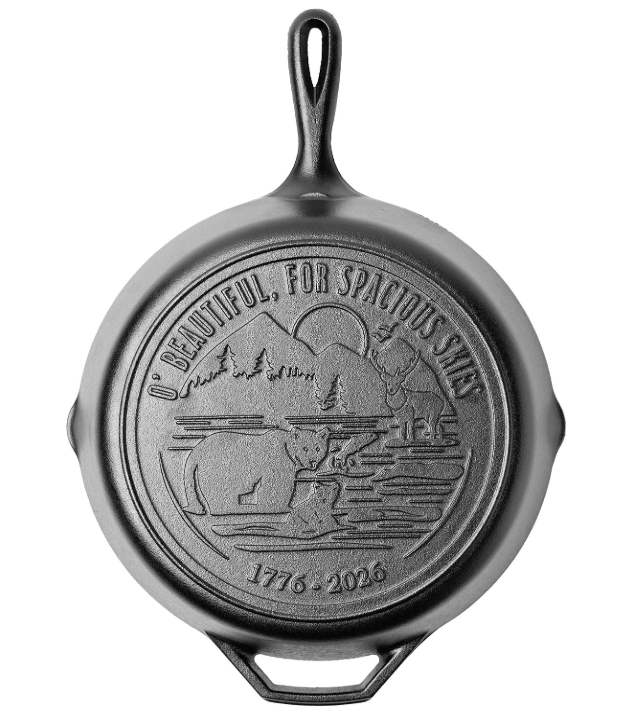
Want to know why cast iron is one of the safest cookware to own?
The Bottom Line
Before you throw away your rusty cast iron pan, try cleaning it first. In many cases, how to clean a rusty cast iron skillet or cookware really does comes down to a few simple steps:
Scrub the rust → wash away the residue → dry completely → re-season.
That’s it.
Your ugly, orange, neglected-looking pan may not be ready for the bin after all.
And once you’ve brought it back to life, make sure you know how to care for it properly. Read next: How to Clean a Cast Iron Pan — Without Ruining It.