If you’ve been looking for nickel-free stainless steel cookware, you’ve probably come across labels like 18/10, 18/8 and 18/0.
They might look like technical details, but they’re worth understanding if you’re trying to avoid nickel, particularly if you have a diagnosed nickel allergy.
The good news is that you have several cookware options. The trick is knowing what the labels mean, what to look for and which material best suits your cooking needs.
Let’s take a closer look.
But before we get into the details, let’s quickly explain what nickel-free stainless steel cookware actually means.
Simply put, it’s stainless steel cookware made without intentionally adding nickel to the alloy. It’s an option worth considering for people with a nickel allergy who want to reduce their exposure to nickel.
Disclaimer: This post is based on personal experience and research. Some links may be affiliate links, meaning I may earn a small commission at no extra cost to you.
As an Amazon Associate, I earn from qualifying purchases.
Is stainless steel cookware nickel-free?
Not all stainless steel cookware is nickel-free. It depends on the grade of steel used.
Stainless steel is an alloy made from iron and other elements. Chromium helps protect it against corrosion, while nickel is added to certain grades to improve their properties.
Here’s what the common labels mean:
| Label | What it generally means |
|---|---|
| 18/10 | Approximately 18% chromium and 10% nickel |
| 18/8 | Approximately 18% chromium and 8% nickel |
| 18/0 | Approximately 18% chromium, with no intentionally added nickel in the conventional designation |
The British Stainless Steel Association identifies 18/0 with ferritic stainless steel, commonly grade 430.
This makes 18/0 stainless steel a useful starting point if you’re looking for cookware without intentionally added nickel.
However, the label doesn’t guarantee absolutely zero nickel, including trace impurities. If you need to avoid nickel strictly, ask the manufacturer to confirm the composition of the finished product and the material used on the food-contact surface.
Also, check the construction of the pan. Some cookware uses different metals in its base and cooking surface.
Is 18/0 stainless steel cookware a good choice?
It can be, but there are a few trade-offs to consider.
The advantages:
- It doesn’t rely on nickel as an intentionally added alloying ingredient.
- Grade 430 is magnetic, making it suitable for induction applications when the cookware is designed for induction.
- It provides a stainless steel cooking surface without requiring one of the common nickel-containing grades.
The drawbacks:
Nickel-containing stainless steel, such as grade 304, generally offers better corrosion resistance than grade 430 in many conditions. That doesn’t make 18/0 unsuitable for everyday cooking, but the quality of the cookware and how you care for it matter.
Follow the manufacturer’s instructions, avoid leaving salty food sitting in the pan for extended periods, and clean and dry it appropriately.
And remember, a product labelled 18/0 isn’t automatically proof that every component is nickel-free.
Can nickel leach from stainless steel cookware?
Yes. Research has found that nickel can migrate from stainless steel cookware into food, although the amount varies.
A 2013 study published in the Journal of Agricultural and Food Chemistry examined nickel and chromium release when tomato sauce was cooked in stainless steel cookware. The researchers found that release depended on factors including the steel grade, cooking duration and previous use.
A separate 2017 study investigated metal release from stainless steel pots used to cook acidic foods. Under its experimental conditions, the measured amounts remained below known allergy-triggering thresholds.
So, does this mean everyone should stop using stainless steel cookware? No.
These studies demonstrate that nickel exposure is possible, not that stainless steel cookware is unsafe for everyone. If you have a diagnosed nickel allergy and are concerned about dietary exposure then its worth discuss it with your healthcare professional about the cookware effect.
What are the alternatives to nickel-containing stainless steel?
If you want to avoid nickel, you don’t have to limit yourself to stainless steel. Here are four alternatives worth considering.
1. Cast iron
Traditional cast iron is primarily an iron-carbon alloy. It’s excellent for searing, frying and slow cooking, and it retains heat well.
It’s heavy and needs proper care to prevent rust. It can also react with acidic foods, particularly when the seasoning is new or the cooking time is long.
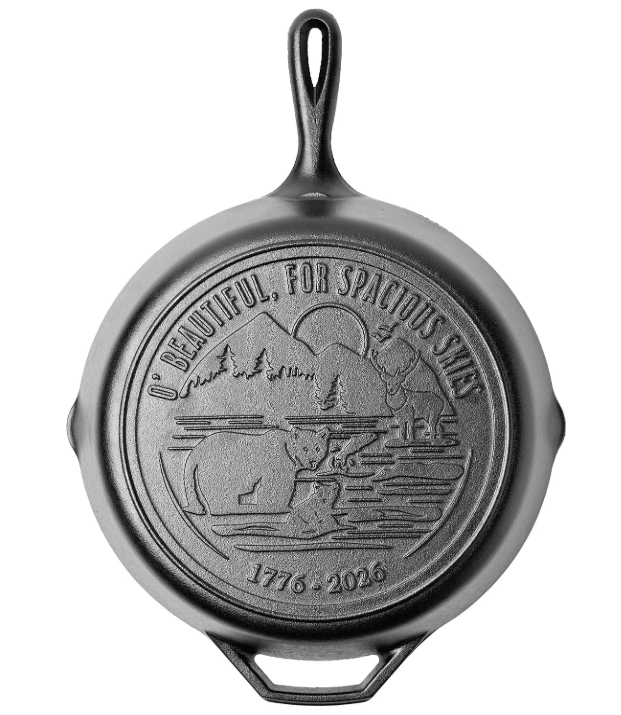
Having said that I use my lodge cast-iron pan to make egg, ham and everything else and I love it. It’s feels bit heavy initially but after sometime you’ll get used to it .
And its not that hard to clean the rusty cast-iron pan. Just use steel wool and season it again.
In my opinion, every kitchen deserves a cast-iron cookware.
2. Carbon steel
Carbon steel is another iron-based option. It’s generally lighter than cast iron and works well for frying, sautéing and high-heat cooking.
Like cast iron, it usually needs seasoning and careful drying. It’s also not ideal for every acidic recipe.
3. Glass cookware
Glass cookware is worth considering for baking and oven cooking. Its cooking surface isn’t a metallic alloy, but not every glass product is suitable for stovetop use.
Check the manufacturer’s instructions and intended use before buying.
4. Enameled cast iron
Enameled cast iron combines a cast iron body with a glass-like enamel coating. It’s particularly useful for casseroles, soups and slow-cooked meals.
The coating separates food from the underlying metal when intact. However, products differ in construction, so don’t assume every enameled cast iron pot is certified nickel-free. Check the manufacturer’s material specifications if strict avoidance is necessary.
My advice: choose a material that suits how you cook, rather than focusing on one feature alone. Each option has its own advantages and maintenance requirements.
How to Choose Nickel-Free Stainless Steel Cookware
Before buying, run through this quick checklist:
- Check the cooking surface: Find out which material actually touches your food.
- Verify the grade: For stainless steel, look for 18/0 or grade 430, but confirm the manufacturer’s specifications.
- Ask about nickel content: If you need strict avoidance, heck with manufacture whether the finished product’s composition has been verified.
- Check cooktop compatibility: Don’t assume every stainless steel pan works on induction.
- Consider maintenance: Cast iron and carbon steel require more care than many stainless steel products.
Don’t rely on vague marketing claims such as “premium” or “hypoallergenic”. Clear material specifications are much more useful.
Does everyone need nickel-free stainless steel cookware?
No. Nickel allergy is a recognised condition, commonly associated with allergic contact dermatitis, but that doesn’t mean everyone needs to avoid nickel in cookware.
The National Library of Medicine’s overview of nickel allergy explains how exposure can trigger reactions in sensitised individuals.
If you’ve been diagnosed with a nickel allergy, your healthcare professional can help you decide whether reducing dietary nickel is appropriate.
For everyone else, cookware choices can come down to durability, cooking performance, maintenance and budget.
So, which nickel-free cookware should you buy?
If you prefer stainless steel, start by investigating 18/0 stainless steel cookware and verifying the material used on the cooking surface.
If you’re open to alternatives, cast iron, carbon steel, glass and enameled cast iron are also worth considering, depending on your cooking habits and the product’s specifications.
My Recommendation
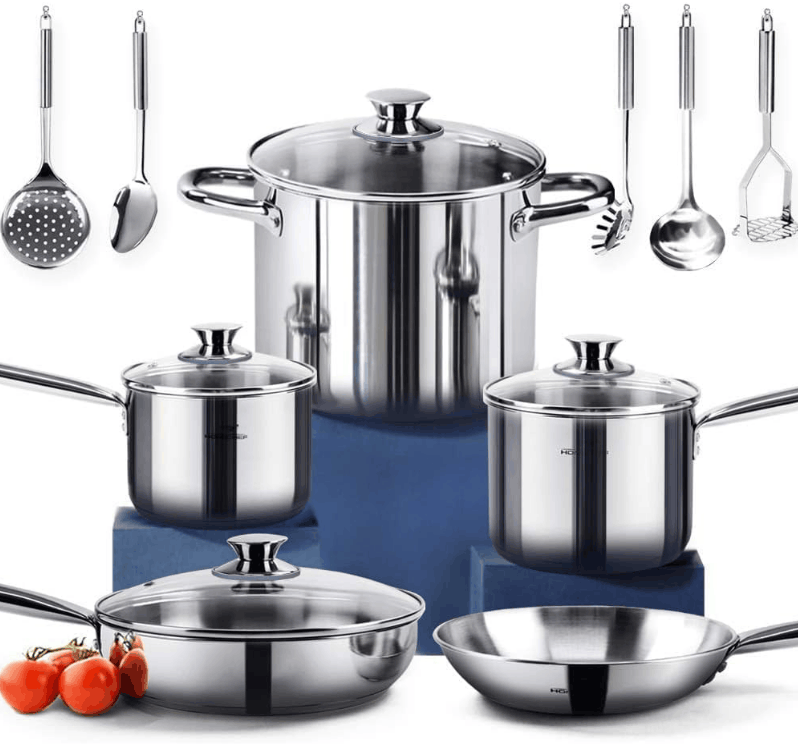
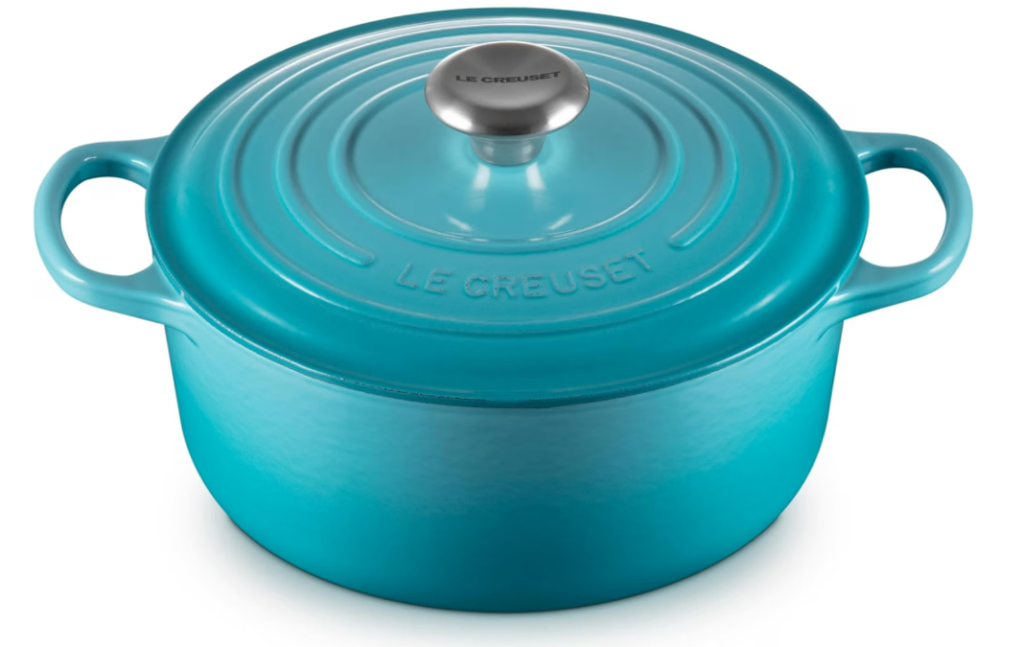
There’s no single best option for every kitchen. The important thing is to understand the material, check the manufacturer’s claims and choose cookware that meets your needs.
If you’re avoiding nickel for a medical reason, verified material information is more useful than a marketing promise.