If you’re switching from non-stick cookware, you might be expecting your new pans to work exactly the same way. That’s what I thought too.
Then I cooked my first meal in stainless steel… and let’s just say it didn’t go quite as planned. I wondered if I’d wasted my money, and how come so many people recommended it.
It turns out there isn’t anything wrong with stainless steel or cast iron. They simply cook differently. Once you understand a few simple techniques, everything starts to make sense.
In this guide, I’ll share the biggest mistakes people make when switching from non-stick cookware, along with the simple tips that make the transition much easier.
Disclaimer: This post is based on personal experience and research. Some links may be affiliate links, meaning I may earn a small commission at no extra cost to you.
As an Amazon Associate, we earn from qualifying purchases.
Mistake 1 : Replacing Everything at Once
This is the most common mistake and the one most likely to put you off the whole idea.
It’s tempting to replace every non-stick pan the moment you learn about PFAS. I completely understand that feeling. I had it too.
But replacing your entire cookware collection in one weekend usually creates more stress than it solves.
The fix is simple: replace one piece at a time, starting with what you use most.
For most people that’s a frying pan or skillet — the one that comes out every single morning for eggs, the one that gets used for most weeknight dinners. Replace that first. Learn it. Get comfortable with it. Then move to the next piece when you’re ready.
Progress over perfection. Always.
Mistake 2 : Not Preheating the Pan Properly
This is probably the biggest reason food sticks to stainless steel—and it’s the mistake I made at the beginning too.
If you’ve been cooking with non-stick, you’re used to adding food to a pan that’s only just warmed up. Stainless steel doesn’t work that way. It needs a few minutes to heat properly first.
A simple trick is the water drop test. Sprinkle a few drops of water onto the dry pan. If they sizzle and disappear, the pan isn’t ready. If they form little beads that glide around the surface, you’re good to go. Add your oil, wait about 30 seconds, then start cooking.
Cast iron is a little different again. It likes to warm up slowly over low to medium heat for a few minutes. Once it’s hot, it holds its heat really well, so there’s no need to crank the temperature up.
Mistake 3 : Using the Wrong Heat
Most non-stick cookware performs best on low to medium heat. Most people cook on medium-high because that’s what gets food done quickly and non-stick handles it reasonably well until the coating starts to degrade.
Cast iron holds heat differently to non-stick. Once it’s hot, it stays hot — so you rarely need to cook on anything above medium. Turn the heat down, be patient, and let the pan do the work.
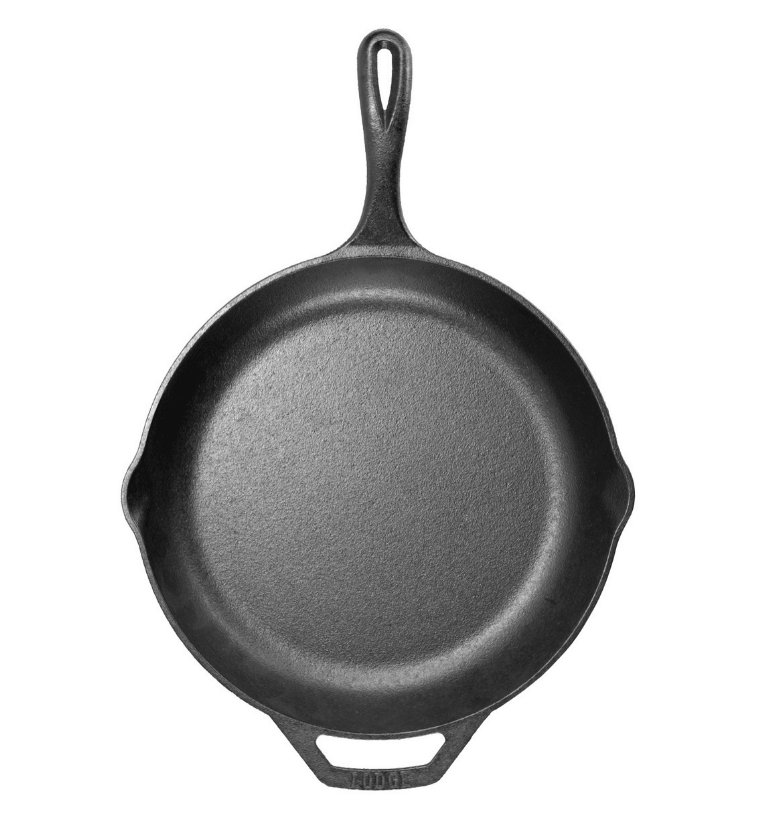
Stainless steel, particularly tri-ply construction, distributes heat so evenly that high heat is almost never necessary for home cooking. Medium is your friend. Give it a try at lower temperatures than you think you need.
Mistake 4 : Moving Food Too Soon
With non-stick, food slides around whenever you want it to. With stainless steel and cast iron, you need to wait.
This catches almost every new user by surprise. You put chicken in a stainless steel pan and try to move it after 90 seconds and it sticks. So you push harder. The chicken tears. You’re convinced the pan is broken.
It’s not broken. The protein is still bonding to the surface during the initial sear. Here’s the thing that experienced cooks know: when food is ready to release, it will release itself. A piece of chicken or fish will naturally lift away from a properly preheated stainless steel pan when the sear is complete. If it’s resisting, it needs more time not more force.
Wait. The food will tell you when it’s ready.
Mistake 5 : Expecting Cast Iron to Be Non-Stick Immediately
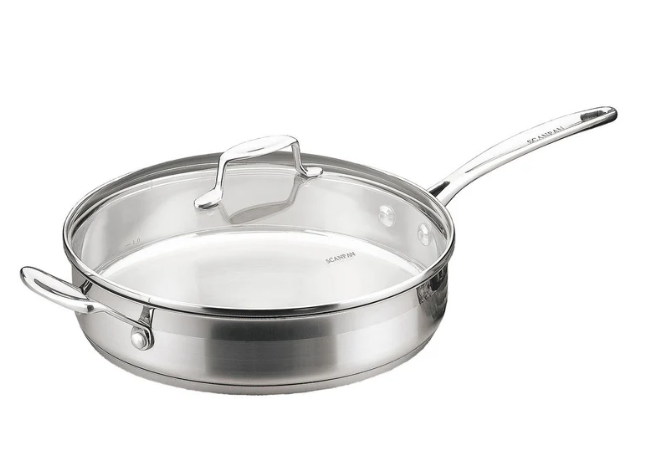
A brand new cast iron pan even a pre-seasoned one like Lodge is not non-stick straight out of the box. It has a base layer of seasoning but not the accumulated layers that make it genuinely perform like non-stick.
Cast iron takes time to build up its natural non-stick surface. The more you cook with it particularly fatty foods like bacon, sausage, better it becomes. Most people find their cast iron becomes genuinely non-stick for most foods within the first month of regular use.
Like I mentioned earlier, cast iron does take a little time to get used to. One thing that surprises many people is the weight. It feels very different from a lightweight non-stick pan.
And speaking of getting used to it… someone in our house managed to break the handle of our cast iron pan on only the second use. (You know who you are 😉)
Thankfully, no humans, animals or our floors were harmed.
Mistake 6 : Washing Cast Iron in the Dishwasher (Just Once)
It only needs to happen once for the lesson to land but it’s worth knowing before it happens to you.
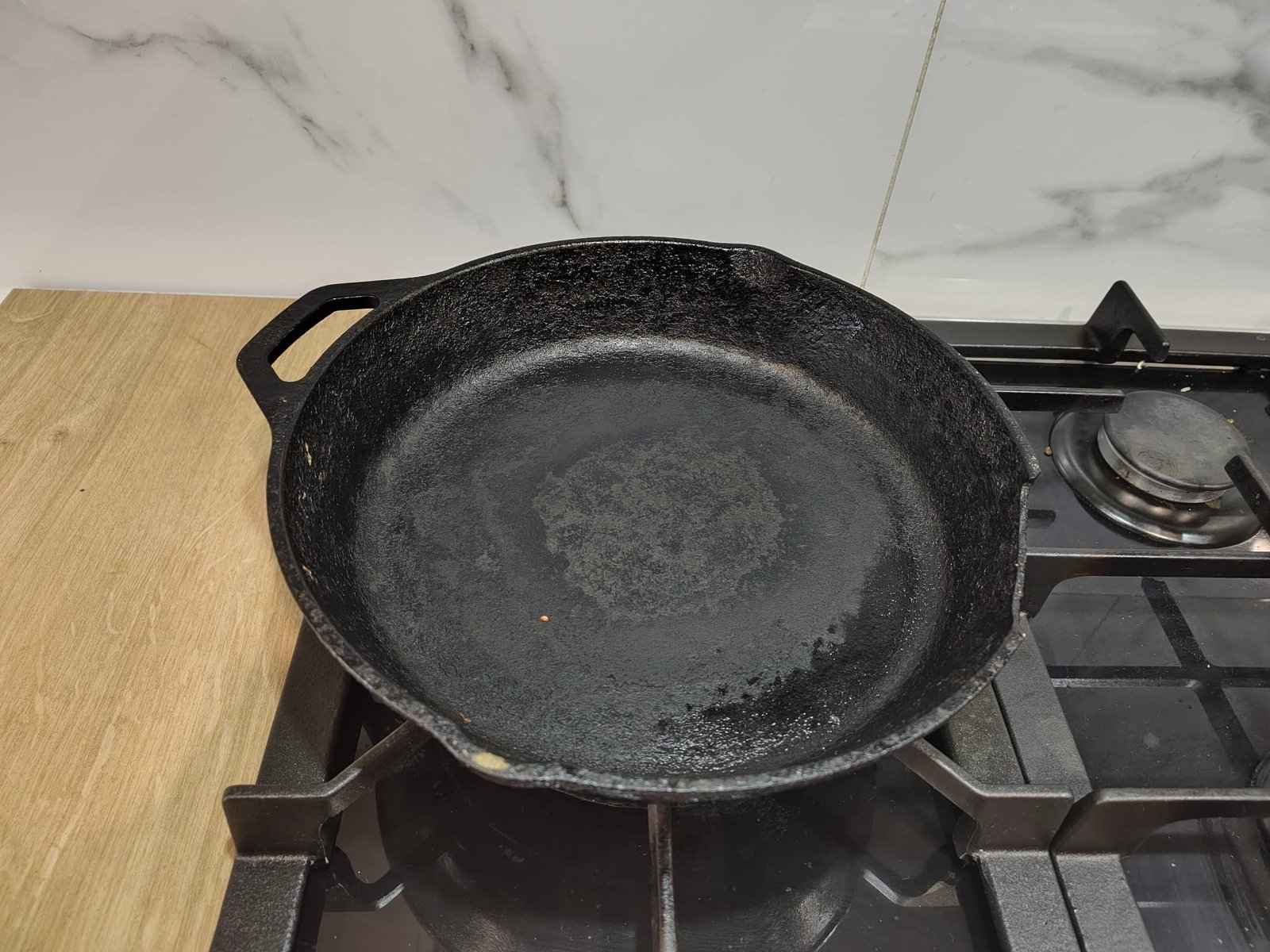
Dishwashers strip cast iron seasoning completely and leave the pan rusted and grey within hours. No exceptions, no matter how gentle the cycle.
Cast iron is cleaned with hot water, a stiff brush, and dried immediately on the stovetop and seasoned. That’s it. Once that habit is established it takes about three minutes after cooking and becomes completely automatic.
I’ll be honest… I’m not the best at remembering to season my Lodge cast iron pan. I gave it a proper seasoning when I first bought it, and since then I’ve probably only re-seasoned it once or twice in the three years I’ve owned it.
We use it almost every day to cook eggs for breakfast, and I usually wash it once or twice a week. Despite my less-than-perfect maintenance, it’s still in good condition and I use my metal spoon without thinking twice. So much freedom….you know what I mean, ladies?
Mistake 7 : Giving Up Too Early
Almost everyone who loves cooking with cast iron or stainless steel went through a stage where they wondered if it was worth it. I know I did.
The adjustment period is real, but it doesn’t last long. One day you’ll notice your eggs slide out more easily, your chicken releases from the pan without sticking, and cooking starts to feel natural again.
If things aren’t going perfectly in the first few weeks, don’t be discouraged. It’s not a sign you’ve chosen the wrong pan. It’s simply part of the learning curve, and it’s shorter than it feels.
Above all, remember why you decided to make the switch in the first place. For me, it always comes back to doing what’s best for my family’s health. That’s the little reminder I come back to whenever something doesn’t go quite as planned in the kitchen.
Mistake 8 : Buying the Wrong Replacement Pan
Many people replace a cheap non-stick pan with the cheapest stainless steel pan they can find.
Unfortunately, not all stainless steel cookware is made the same.
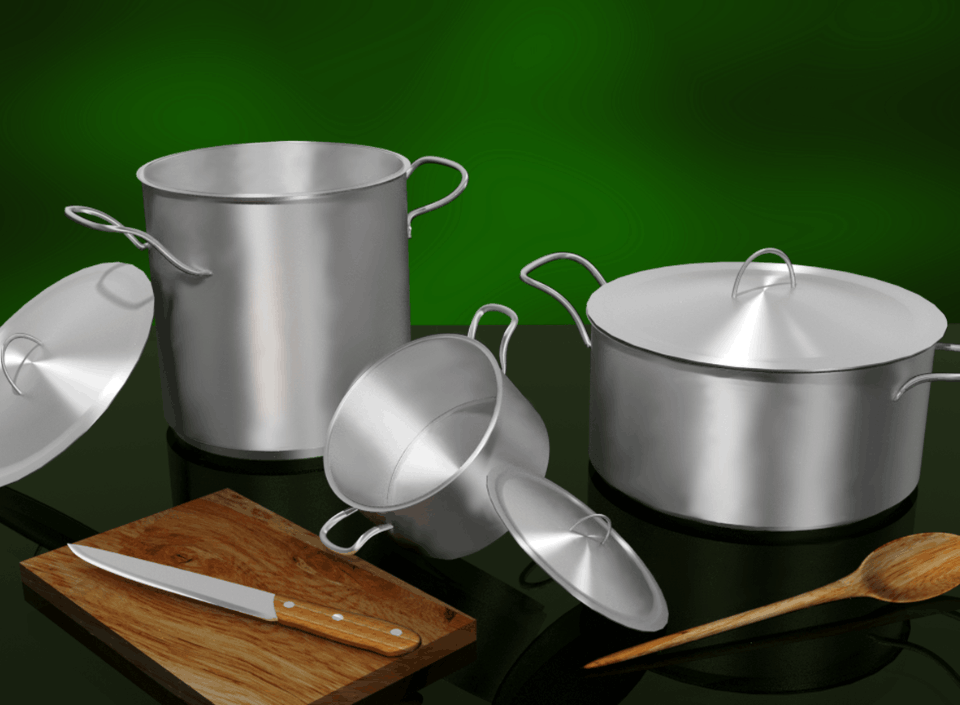
Very thin pans tend to heat unevenly, creating hot spots that make sticking and burning much more likely.
If you’re buying stainless steel, look for cookware with a fully clad (tri-ply) construction or at least a thick, heavy base.
You don’t need to spend a fortune, but buying a well-made pan will make the learning process much easier.
Mistakes to Avoid Switching from Non-Stick Cookware
If your goal is to build a healthier, longer-lasting kitchen, learning to cook without traditional non-stick is a worthwhile skill.
The transition isn’t perfect, and there will probably be a few meals that don’t go to plan. That’s completely normal.
Start with one pan. Learn how it behaves.
Give yourself permission to make a few mistakes.
Within a few weeks, most people find that cooking feels natural again—and many never want to go back.
Not sure which material to switch to first? Read this next: What is the safest cookware for your health? Honest answer
Sources
This post is based on practical cooking experience and manufacturer guidance rather than scientific research.
For the science behind why non-stick coatings carry health concerns and why the materials recommended here don’t — see: [What are PFAS? The forever chemicals lurking in your cookware(comingsoon)]
- Lodge Cast Iron — Cooking Tips and Techniques https://www.lodgecastiron.com/pages/cast-iron-cooking-tips
- Lodge Cast Iron — How to Season https://www.lodgecastiron.com/pages/how-to-season
- America’s Test Kitchen — Getting Started with Cast Iron (2025) https://www.americastestkitchen.com/articles/cast-iron-cooking-guide

I’ve switched all my pans to either cast iron or stainless steel and love them. The cast iron has been a learning curve for sure. I feel so much better about cooking in these pans.
I needed this info: Moving Food Too Soon on stainless. Now I know I just needed to wait. Thanks