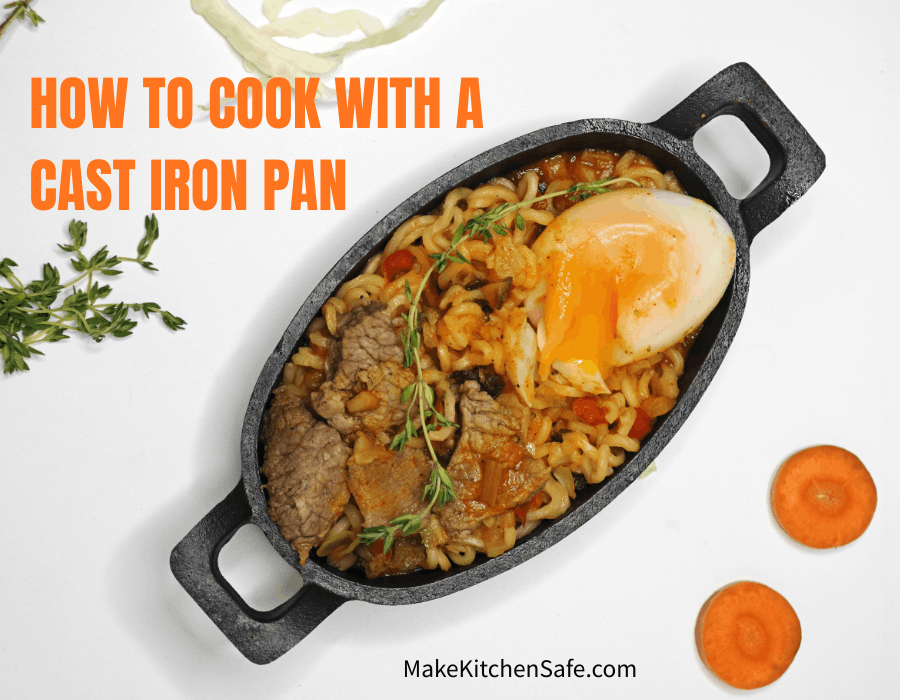
The first thing I ever cooked in cast iron pan was eggs.
They stuck. Badly. I stood there scraping at my pan wondering why anyone puts up with this thing.
Turns out, I was doing basically everything wrong. Wrong heat, wrong timing, wrong expectations. Cast iron doesn’t behave like your old Teflon pan, and even a pre-seasoned skillet can take a little time and practice before it feels properly non-stick.
Here’s how to cook with cast iron pan, so you skip the part where you swear at your eggs because once you know this you will love this cookware.
My cast iron pan is probably the most important piece of cookware in my kitchen. I reach for it all the time.
Disclaimer: This post is based on personal experience and research. Some links may be affiliate links, meaning I may earn a small commission at no extra cost to you.
As an Amazon Associate, we earn from qualifying purchases.
Cast Iron Cooks Differently. Here’s Why That Matters.
Non-stick pans heat up fast and food glides around from the first second. Cast iron is the opposite. It’s slow to heat, and once it’s hot, it stays hot for a long time.
That’s actually its superpower. Even, steady heat means better searing, better crusts, better everything once you stop fighting its pace and start working with it.
Three things to keep in mind before you even turn on the stove:
Let it warm up slowly. Cast iron over low to medium heat for a few minutes, every time. Skip the high-heat rush.
Don’t move food too soon. Food releases itself when it’s ready. If it’s sticking and you’re pushing harder, stop. It needs more time, not more force.
A little oil goes further than you think. You don’t need to drown the pan. A thin layer does the job.
Its a good idea to season a cast iron cookware before the first use. If you are unsure on how to season a cast iron pan then check this post.
How to Cook With Cast Iron Pan, Step by Step
1. Preheat properly
Put your pan on the stove over low to medium heat for a few minutes before anything goes in. Cast iron is dense and it needs time to heat evenly, not just heat up fast on one spot.
2. Add your fat
Once the pan’s hot, add your oil or butter. Let it warm for 20-30 seconds. You’ll see it shimmer slightly, that’s your sign that it’s ready.
3. Add your food, and leave it alone
This is the hardest part for most people. Put your food in and don’t touch it. Let it sear. If you try to move it too early and it fights back, that’s the pan telling you it’s not ready to let go yet.
4. Flip once it releases naturally
Properly seared food lifts away from the pan on its own. That’s your cue.
5. Finish, then clean while it’s still warm
Once you’re done cooking, let the pan cool slightly, then clean it while it’s still warm. If you want the full routine, I’ve got a complete guide on how to clean cast iron the right way.
How to Cook a Steak in a Cast Iron Skillet
This is the one everyone actually wants to know how to do, so let’s get specific.
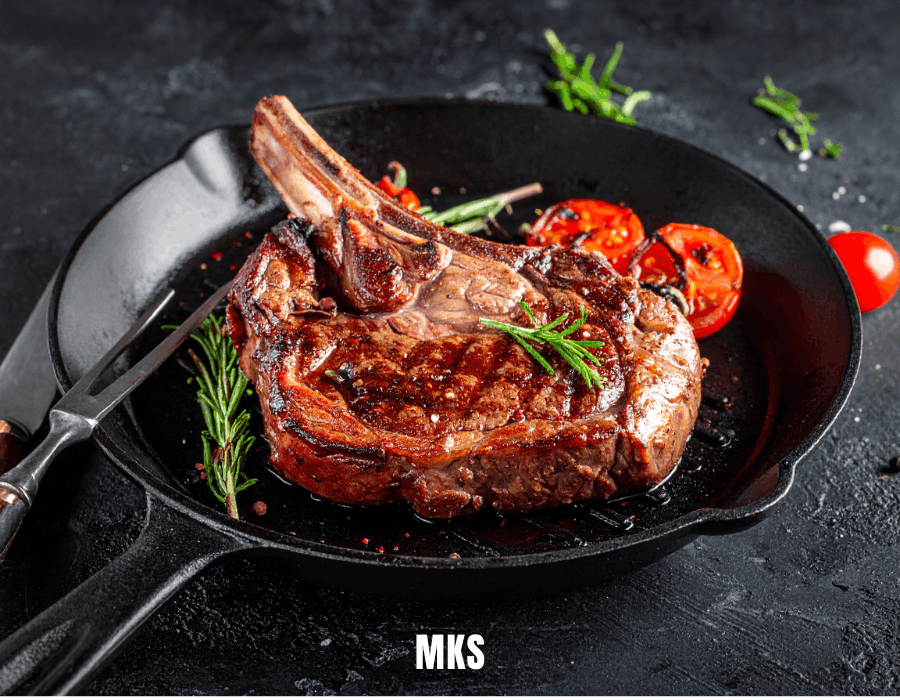
Get the pan properly hot first. This matters more for steak than almost anything else you’ll cook. A few minutes over medium-high heat, no rushing.
Pat your steak dry before it goes in. Moisture is the enemy of a good sear. A dry surface means a better crust.
Add oil with a high smoke point — avocado or grapeseed both work well — right before the steak goes in, not five minutes earlier.
Sear without moving it. Two to three minutes a side for a solid crust, depending on thickness. Resist the urge to poke, prod, or peek.
Let it rest after cooking. A few minutes off the heat lets the juices settle back through the meat instead of running out all over your board.
Baste with butter near the end, if you’re feeling fancy. Tilt the pan, spoon the melted butter over the steak for the last minute. Not essential, but genuinely worth it.
That’s it. No marinades required, no complicated technique. Cast iron does most of the work once it’s properly hot.
Is Cooking With Cast Iron Actually Safe?
Short answer: yes, for the vast majority of people, cooking with well-seasoned cast iron is considered safe.
Here’s the honest, slightly longer answer.
Cast iron cookware naturally releases small amounts of iron into food, especially with acidic ingredients like tomato sauce cooked for a long time. For most people, this is a complete non-issue. It might even give you a small, harmless boost of dietary iron.
The one group worth a mention: people with hemochromatosis, a condition that causes the body to absorb too much iron. If that’s you, it’s worth a quick chat with your doctor about cast iron specifically, since the extra iron intake isn’t something everyone needs to worry about, but it is something a small number of people should.
Traditional bare cast iron doesn’t rely on a synthetic non-stick coating. Its cooking surface is protected by seasoning, a layer of oil that has bonded to the metal through heating.
My Recommendation
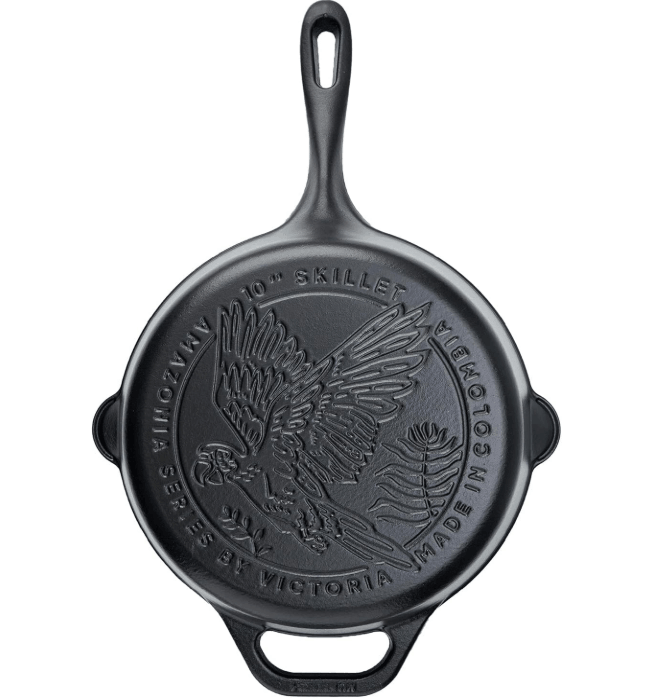
A Few Things Worth Knowing Before You Start
It’s not non-stick on day one. A well-seasoned cast iron pan gets genuinely non-stick over time, with regular use. Don’t judge it on the first cook.
High acid, long cook times need a bit of care early on. Tomato sauce simmered for hours is fine once your seasoning is well established just maybe not the very first week you own the pan.
Metal utensils are actually fine. One of the best joys of cast iron: you can use a metal spatula without babying the surface the way you would with non-stick. This is real freedom in the kitchen – just pick up any spoon or spatula and use it. Almost with your eyes closed.
The Bottom Line
Cast iron rewards patience more than any other pan in your kitchen. Preheat it properly, let food release on its own timing, and don’t rush the sear especially with steak.
Get those three things right, and cast iron stops being intimidating and starts being the pan you actually reach for first.
Want to make sure you’re not accidentally undoing all that good cooking with the wrong cleanup? Read next: How to Clean Cast Iron Pan Without Ruining It

[…] how to cook with Cast-Iron Cookware? Once you do, you’ll fall in love with this just like […]