If you’ve just bought your first cast iron pan, welcome to the club! You’re about to own one of the toughest and longest-lasting pieces of cookware you’ll ever have.
But before you start cooking, there’s one thing you’ll hear everyone talking about…
Seasoning.
Don’t worry, it’s nowhere near as complicated as it sounds.
When I first started using cast iron, I kept hearing things like “don’t use soap,” “oil it after every use,” and “season it six times before cooking.” Honestly, it all felt a little overwhelming.
But once you understand what seasoning actually is, everything else starts to make sense.
In this guide, I’ll show you how to season a cast iron pan step by step, explain why it works, which oils are best, and how to keep your pan naturally non-stick for years to come.
Let’s get started.
Disclaimer: This post is based on personal experience and research. Some links may be affiliate links, meaning I may earn a small commission at no extra cost to you.
As an Amazon Associate, we earn from qualifying purchases.
What Does “Seasoning” Actually Mean?
First of all, seasoning has nothing to do with salt, herbs or adding flavor to your food.
When we talk about seasoning a cast iron pan, we’re talking about creating a natural protective layer on the surface of the pan.
Why seasoning matters
When a very thin layer of oil is heated to a high temperature, it goes through a process called polymerization.
In simple terms, the oil changes into a tough, smooth layer that bonds to the iron.
That layer does three important jobs:
- It creates a naturally non-stick cooking surface. The more you cook and maintain your pan, the better it gets.
- It helps protect the iron from rust. Without this protective layer, bare cast iron can rust surprisingly quickly.
- It keeps improving over time. Unlike synthetic non-stick coatings that gradually wear out, a well-looked-after cast iron pan builds its seasoning every time you cook with it.
That’s one of the reasons cast iron has been loved for generations. Instead of wearing out, it actually gets better with age.
Once you understand this, a lot of the advice about cast iron suddenly makes sense.
Why you shouldn’t leave it soaking in water, why a tiny amount of oil goes a long way, and why proper care keeps your pan performing beautifully for years.
Before you begin, you’ll need:
- A cast iron pan
- A small amount of cooking oil (canola, vegetable, mustard or avocado oil all work well)
- Paper towel or a lint-free cloth
The most important thing isn’t choosing the “perfect” oil—it’s applying a very thin layer. Too much oil is one of the biggest reasons cast iron ends up sticky instead of beautifully seasoned.
More on how to cook with cast-iron cookware?
How to Season a Cast Iron Pan
Now let’s look at how to season a cast iron pan step by step. Once you’ve done this a couple of times, seasoning a cast iron pan becomes second nature.
Step 1: Give Your Pan a Good Wash
If it’s a brand-new pan, wash it with warm water and a little mild dish soap to remove any dust or residue from the factory.
Dry the pan straight away with a clean towel, then place it on the stovetop over low heat for 2–3 minutes to make sure every last drop of moisture has evaporated.
Step 2: Apply a Very Thin Layer of Oil
Add a small amount of oil to a paper towel or cloth and rub it over the entire pan – inside, outside and even the handle and then wipe them all off.
If your pan looks shiny or oily, there’s probably still too much oil on it.
You’re aiming for an incredibly thin layer that’s barely visible. Thin layers create a smooth, hard seasoning, while thick layers can leave the pan sticky instead.
Step 3: Bake the Pan
Place the pan upside down on the middle oven rack and put a baking tray or a sheet of foil on the rack below to catch any drips.
Set your oven to 230–260°C (450–500°F) and bake the pan for one hour.
Don’t be surprised if you notice a little smoke—that’s completely normal as the oil bonds to the iron.
No oven? No worries.
If you have a gas cooktop, you can season your cast iron there too. Apply a very thin layer of oil and heat the pan over medium heat until it starts to smoke lightly.
Turn the pan occasionally so the cooking surface heats as evenly as possible, then let it cool before repeating the process.
Step 4 : Let It Cool Slowly
Once the hour is up, switch the oven off and leave the pan inside until it’s completely cool.
I know it’s tempting to take a peek, but letting it cool slowly helps the new seasoning harden properly.
Besides…it saves your fingers!
Step 5 : Repeat the Process
One layer is a great start.
Three to six layers are even better.
Each layer builds on the last, making your cast iron darker, smoother and naturally more non-stick.
The good news is you don’t have to do them all in one day. Add another layer whenever you have time.
Think of seasoning as building a strong foundation. Once that’s done, regular cooking and simple maintenance will keep improving it.
Keeping Your Seasoning Looking Great
The easiest way to maintain your seasoning is simply to use your pan often.
After cooking:
- Wash while the pan is still warm.
- Dry it completely.
- Wipe on a tiny amount of oil before putting it away.
That’s really all there is to it.
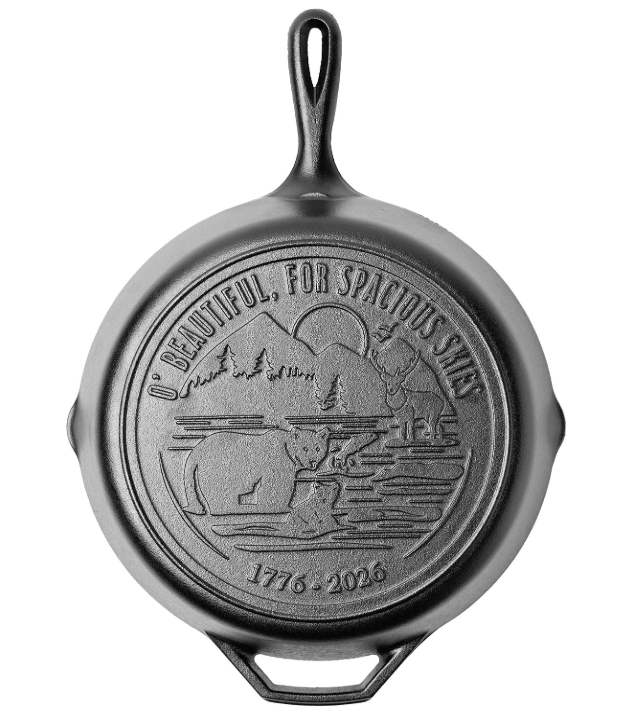
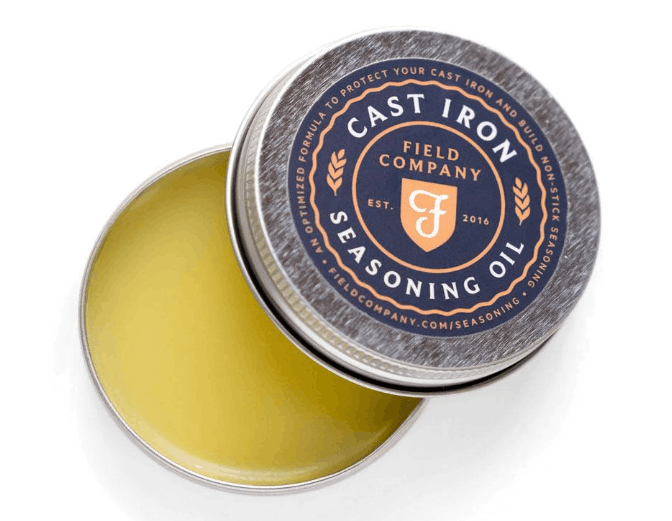
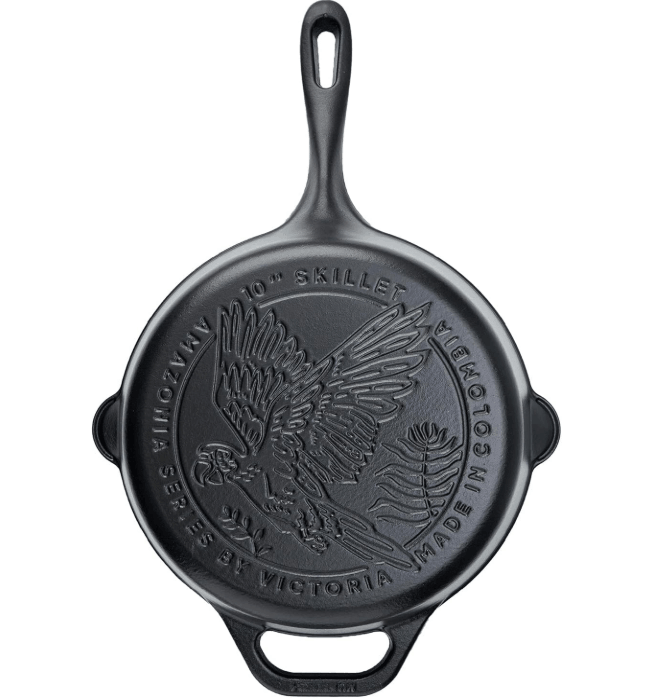
My Recommendation
Frequently Asked Questions
Can I use soap on cast iron?
This surprises a lot of people because the old “never use soap” advice has been around for decades.
Modern dish soap is much gentler than it used to be and won’t strip a well-seasoned cast iron pan.
For everyday cleaning, hot water and a brush are usually enough, but a little soap won’t ruin your seasoning.
Why is my cast iron sticky after seasoning?
Almost every sticky cast iron pan comes down to one thing…
Too much oil.
A thick layer of oil can’t fully harden, so it leaves behind a sticky finish instead of a smooth one.
The solution is simple—use much less oil next time.
Why is my seasoning flaking?
If your seasoning is flaking, it usually means the layer didn’t bond properly.
This can happen if the pan wasn’t completely clean before seasoning or if too much oil was applied.
Can I cook tomatoes or other acidic foods?
Yes, but I’d wait until your seasoning is well established first.
A brand-new seasoning layer is still developing, and long cooking times with acidic foods like tomatoes can weaken it.
How often should I season a cast iron pan?
Simply cleaning, drying and wiping on a tiny amount of oil after each use is usually enough to keep your seasoning in great shape.
Full re-seasoning is only needed if the pan becomes rusty, starts sticking badly or loses large areas of seasoning.
The Bottom Line
Once you’ve seasoned your cast iron a couple of times, you’ll wonder why it ever seemed intimidating.
Keep the oil layers thin, use your pan often, and don’t stress if it isn’t perfect. Cast iron is incredibly forgiving.
With a little care, it can become one of the safest, toughest and longest-lasting pieces of cookware you’ll ever own.
One of the things I love most about cast iron? I can use my metal spoons without worrying about scratching the pan.
Oh… what a freedom!
Next up: Learn how to clean a cast iron skillet the right way, including what to do if it develops rust and the biggest cleaning myths you can safely ignore.

This was a really good read. I thought seasoning a cast iron skillet was about actual seasoning in the pan so I learned something new.
What a fantastic guide! I have always loved cooking with cast iron because it truly lasts a lifetime when cared for properly. Your step by step instructions make the seasoning process easy to understand, especially for beginners.