As a mum, my biggest concern has always been my family’s health and wellbeing.
My husband and I do our best to make sure our kids eat healthy food. Like most full-time working parents, we have the occasional takeaway or packet snack, but overall I like to think we’re doing pretty well. Home-cooked meals. reading label – low sodium, less sugary food. Plenty of fruit and vegetables. Less junk food. More whole foods.
I thought I was making the healthiest choices I could for my family.
Then one day, a question hit me:
What about the cookware?
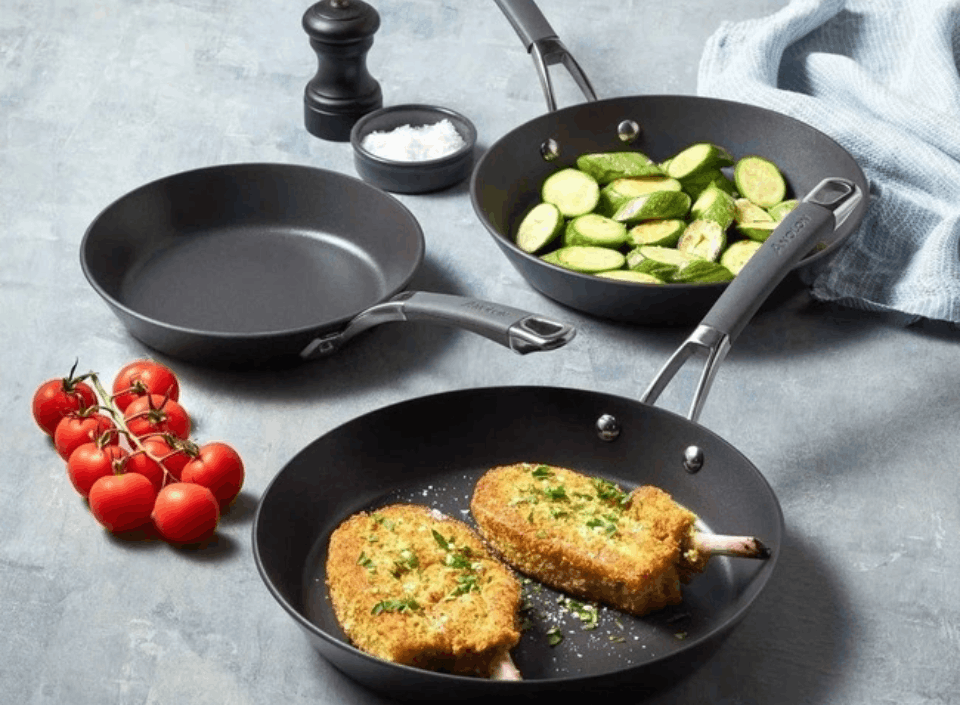
I spent years thinking about what went into our food, but I didn’t think enough about what our food was coming into contact with while it was being cooked..
Were our pots and pans safe? What about our food containers? What about the air fryer we used three times a week?
That simple question sent me down a rabbit hole that completely changed the way I look at my kitchen.
What I Discovered About Non-Stick Pans
What surprised me most was discovering that many of the expensive non-stick pans I’d bought thinking that they were the healthier choice was not correct.
Like many people, I associated less oil with healthier cooking. That felt logical. But I had no idea that some non-stick cookware could contain chemicals linked to a group called PFAS, sometimes also called “forever chemicals.” And that damaged or overheated coatings could potentially release harmful substances directly into our food.
I couldn’t believe I’d never thought to ask what my cookware was actually made from.
And it wasn’t just the pans. The more I read, the more I realised the issue extended to:
- Air fryer baskets with non-stick coatings
- Food storage containers with plastic linings
- Coffee makers with plastic components touching hot water
- Baking trays and muffin tins with mystery coatings
I hadn’t just been worried about the wrong thing. I’d been looking in completely the wrong place.
The Research Rabbit Hole
So I started researching. Properly.
For days, I read articles, compared materials and learned about what the terms on product labels actually meant. Words like PFOA-free, PTFE-free, PFAS-free, BPA-free they all sound reassuring. But I quickly discovered they don’t all mean the same thing. In fact, some of them barely mean anything at all.
(More on that in this post: PFOA-free vs PTFE-free vs PFAS-free — what’s the actual difference?)
What I discovered surprised me even more than the original problem.
The safest materials were often the same ones my mum and nana had been using for decades: stainless steel, cast iron, and other simple, time-tested materials that needed no special coating at all.
Sometimes the best solution really is going back to basics.
What I Replaced My Non-Stick Cookware with
From that point on, I began replacing my cookware piece by piece. I didn’t throw everything out at once that felt wasteful and expensive. Instead, I made a priority list and worked through it gradually.
Here’s what left my kitchen first:
- The scratched non-stick frying pans that had seen better days
- The cheap air fryer with a flaking basket
- Old plastic food containers I’d had for years
Here’s what replaced them:
- A cast iron skillet that I now use almost every day
- Stainless steel pans for everything else
- A PFAS-free air fryer with a stainless steel basket
- Glass and stainless steel food containers
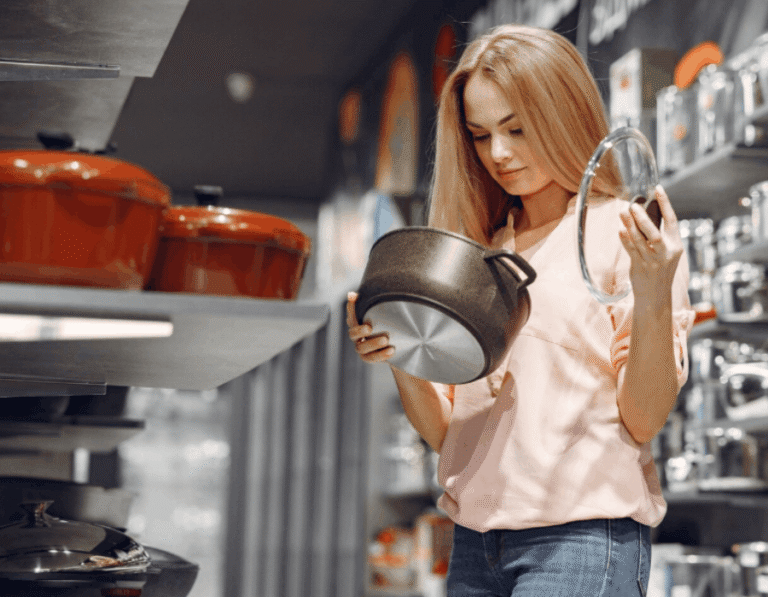
And now? I can’t walk past a cookware display in a shop without picking up the box and checking the label. It’s become second nature. I want to know exactly what coating is on that pan and whether any of it has a name I should be googling when I get home.
That habit alone has saved me from making some very expensive mistakes.
Not sure what to look for on the label? I wrote a guide on exactly what to check: How to tell if your pans have PFAS, 5 signs to check right now
Was it a big change? Yes. Was it worth it? Absolutely.
Today I feel much more confident about the products I bring into our kitchen. And while no kitchen is ever going to be perfect, I know we’re making better choices than we were before.
Why I Created Make Kitchen Safe
One thing I realised through all of this is that most families don’t have the time to read scientific studies or compare dozens of cookware brands. I certainly didn’t. I just wanted someone to tell me, in simple English, what actually mattered.
That’s why I created Make Kitchen Safe.
I spent weeks figuring all of this out on my own reading confusing studies, decoding misleading labels, and trying to work out which products were actually safe versus which ones just sounded safe.
I don’t want you to have to do the same.
My mission is simple: help families cut through the confusion, understand what’s really in their cookware, appliances, and food containers, and make changes that actually matter without the overwhelm.
Because if we’re paying attention to what’s on our plates, we should also pay attention to what it’s cooked in.
Start Here
If you’re new to this topic, here’s where I’d suggest starting:
- [How to Tell If Your Pans Have PFAS – 5 Signs to Check Right Now] understand the basics before anything else
- [PFOA-free vs PTFE-free vs PFAS-free: what’s the actual difference?] decode the confusing labels
- [What is the safest cookware for your health?] if you want the short answer fast
Whether you’re replacing one frying pan or completely rethinking your kitchen, I hope this site helps you make informed choices with confidence.
Because building a healthier kitchen doesn’t happen overnight. It happens one thoughtful swap at a time.
Glad to hear I’m not the only one who has done away with all of that! The only thing I need is an air fryer. I threw ours out, I couldn’t find a non toxic one. I’m going to look into the one you suggested, thank you!
I’ve been slowly switching out my cookware for safer options. I’m absolutely loving cast iron pans. I also got rid of my non-stick air fryer and very old crockpot. Thanks for spreading the word about non-stick pans, and why they are toxic.
[…] If you’re considering making the switch from non-stick to stainless steel, I wrote about why I made that change myself and what I wish I’d known before replacing my cookware: Why I Replaced My Non-Stick Cookware After Learning About PFAS […]